Listen to The Volunteer Traveler series one now

Orangutan And Sun Bear Conservation

Orangutan And Sun Bear Conservation

Ethical orangutan and sun bear conservation in the heart of Borneo's rainforest

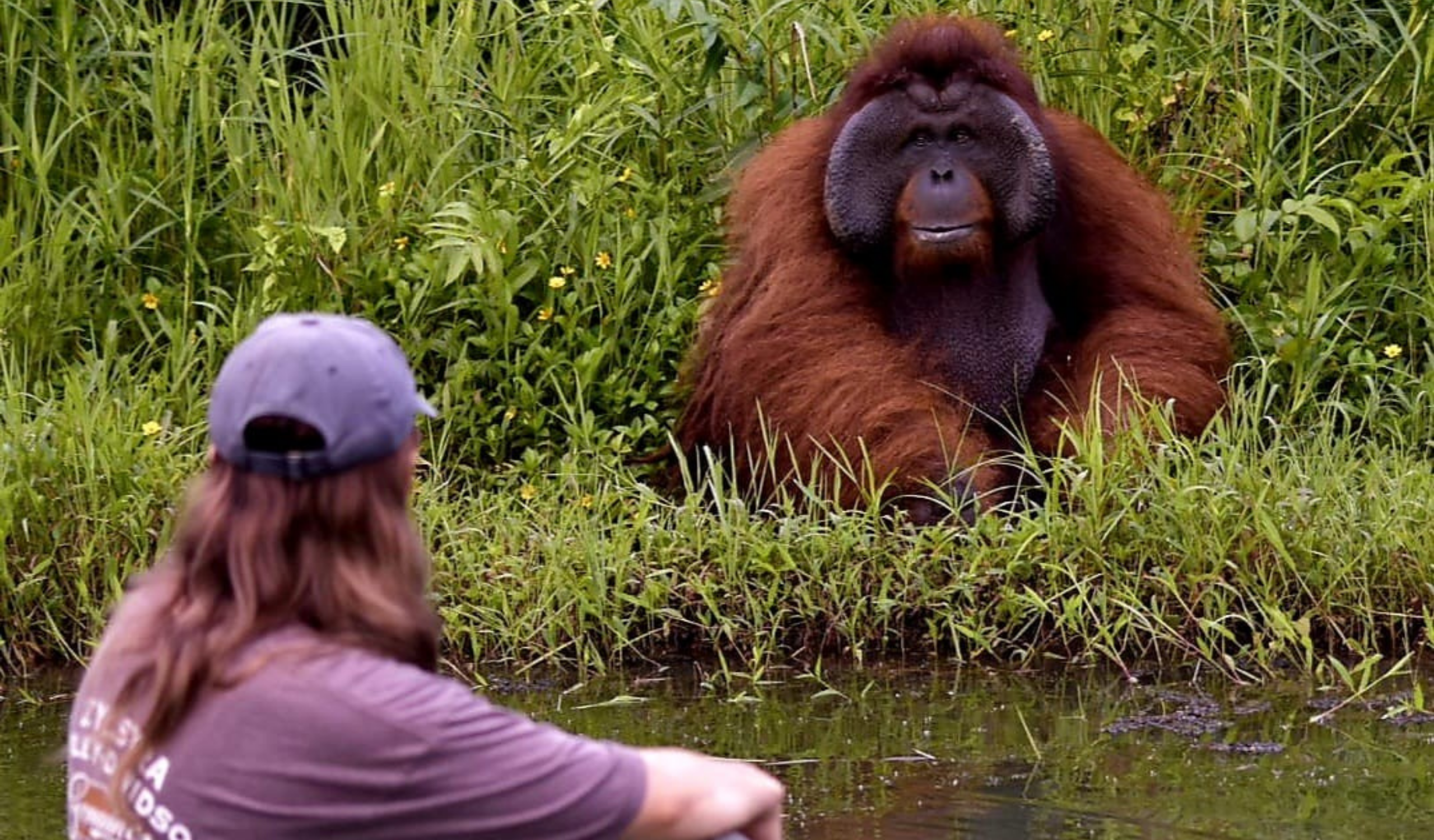
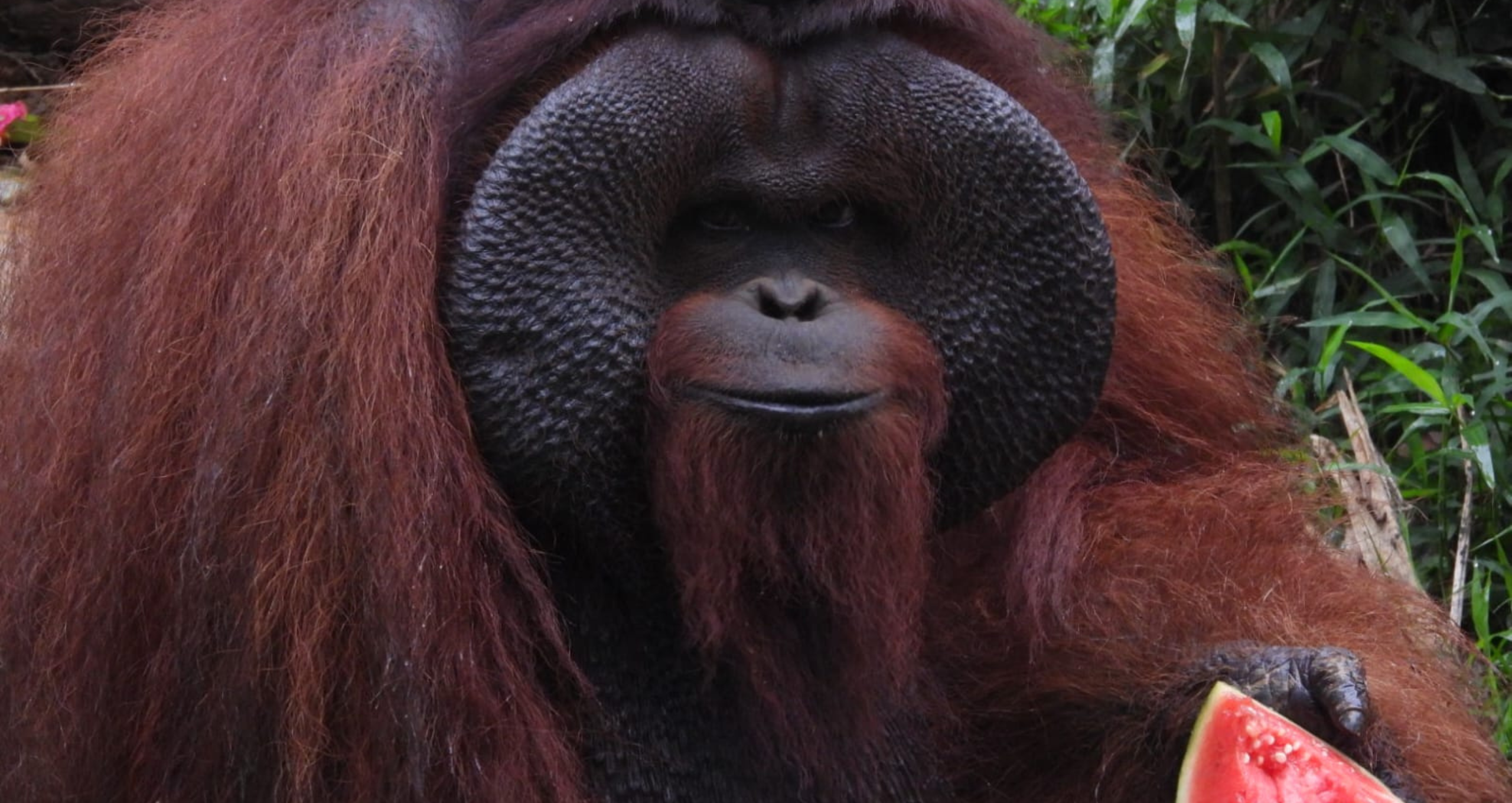
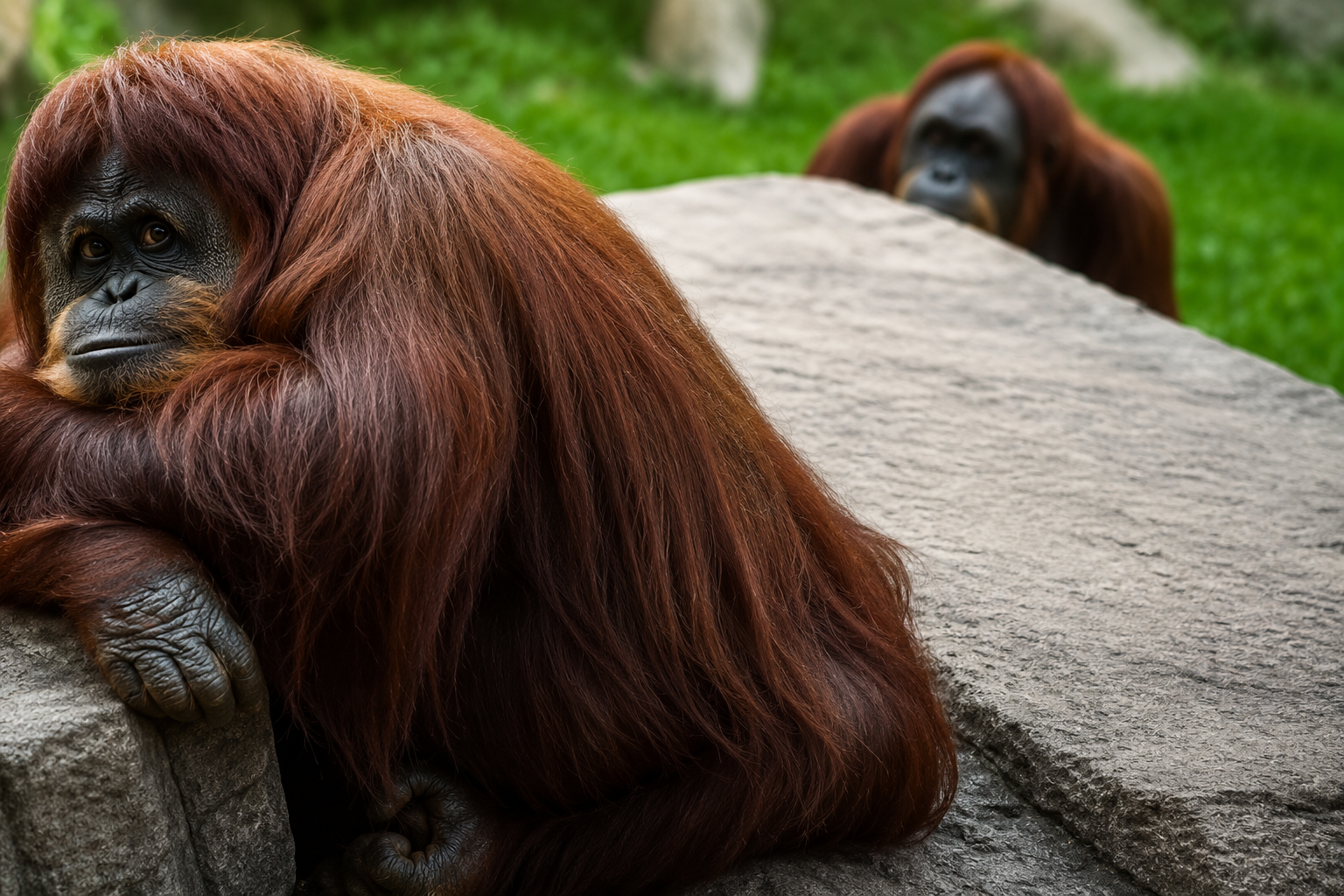
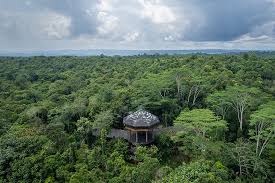
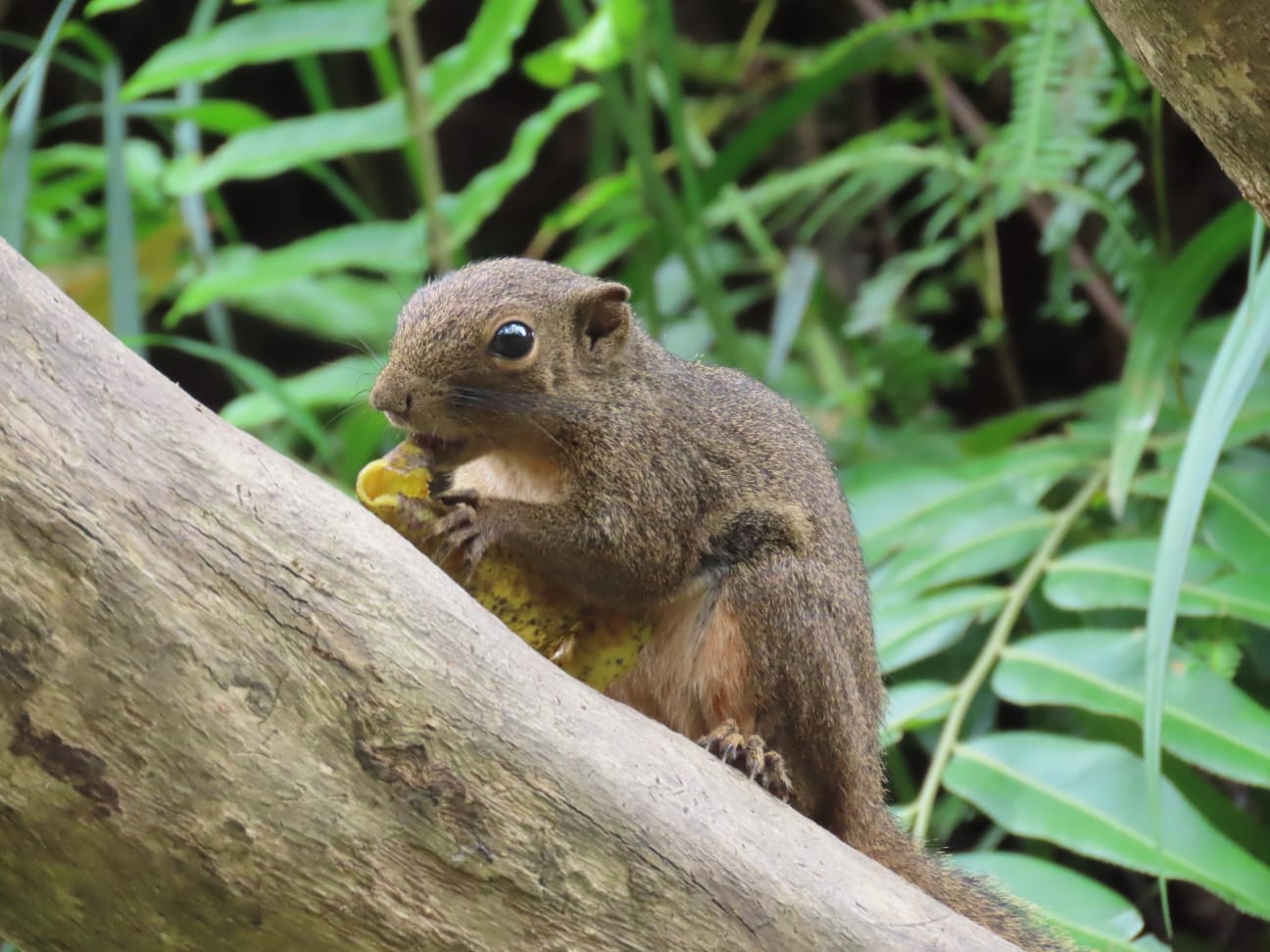
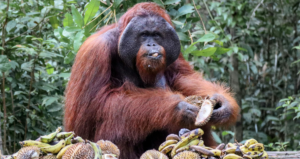
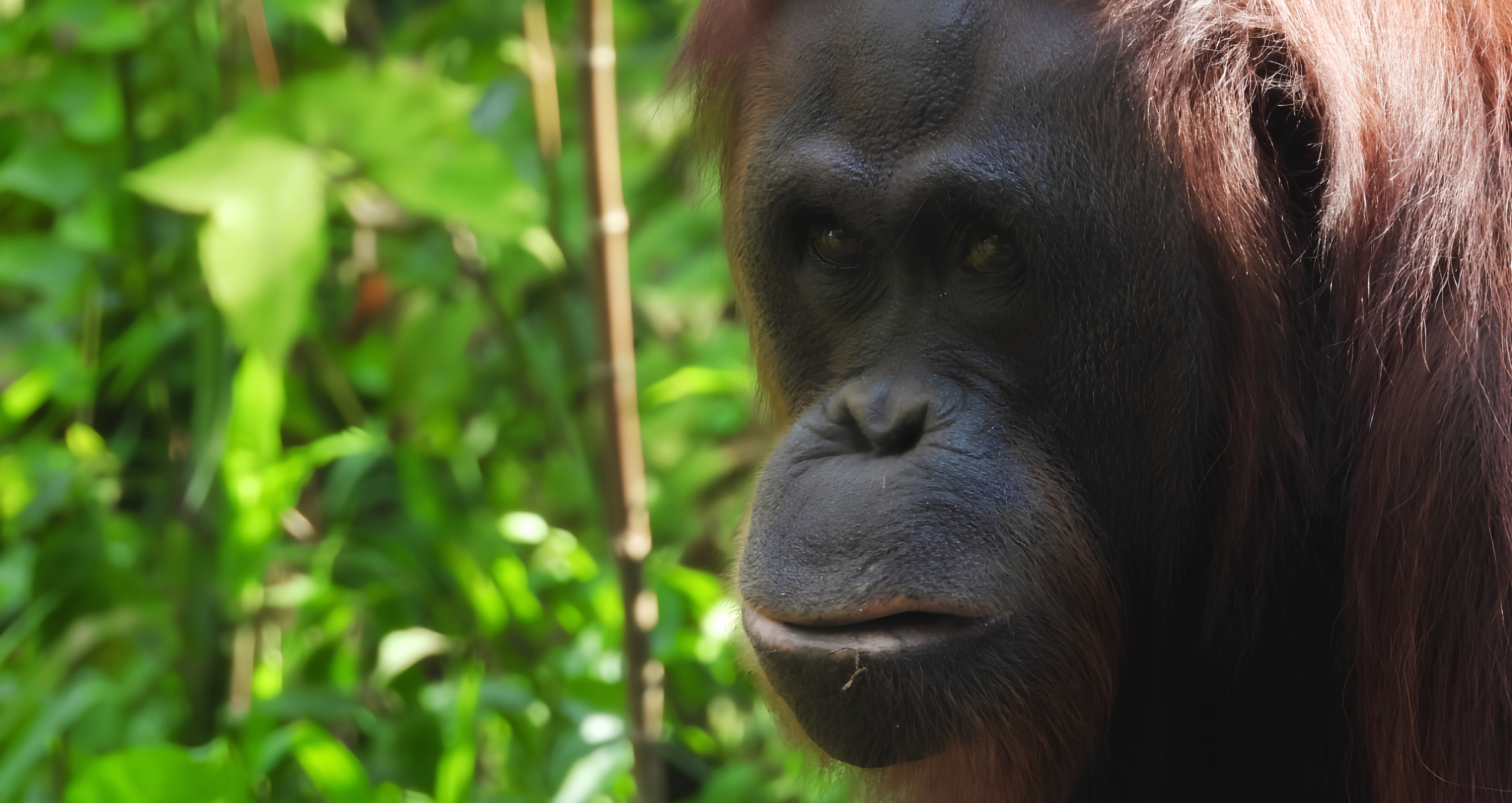
Situated with the Borneo tropical rainforest, this is one of the best volunteer placements in the world to see orangutans. The centre is home to pre-release and unreleasable orangutans and sun bears.

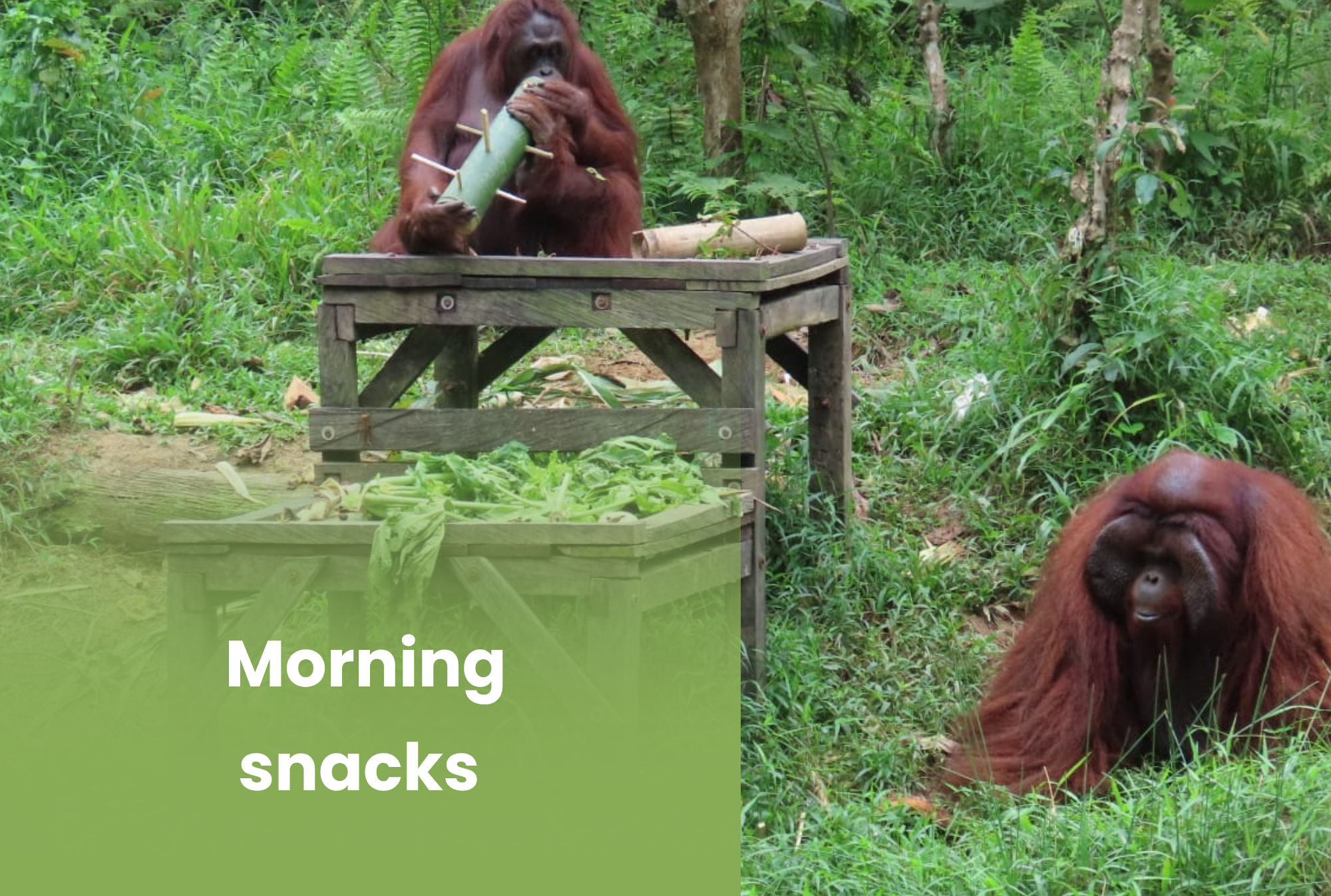
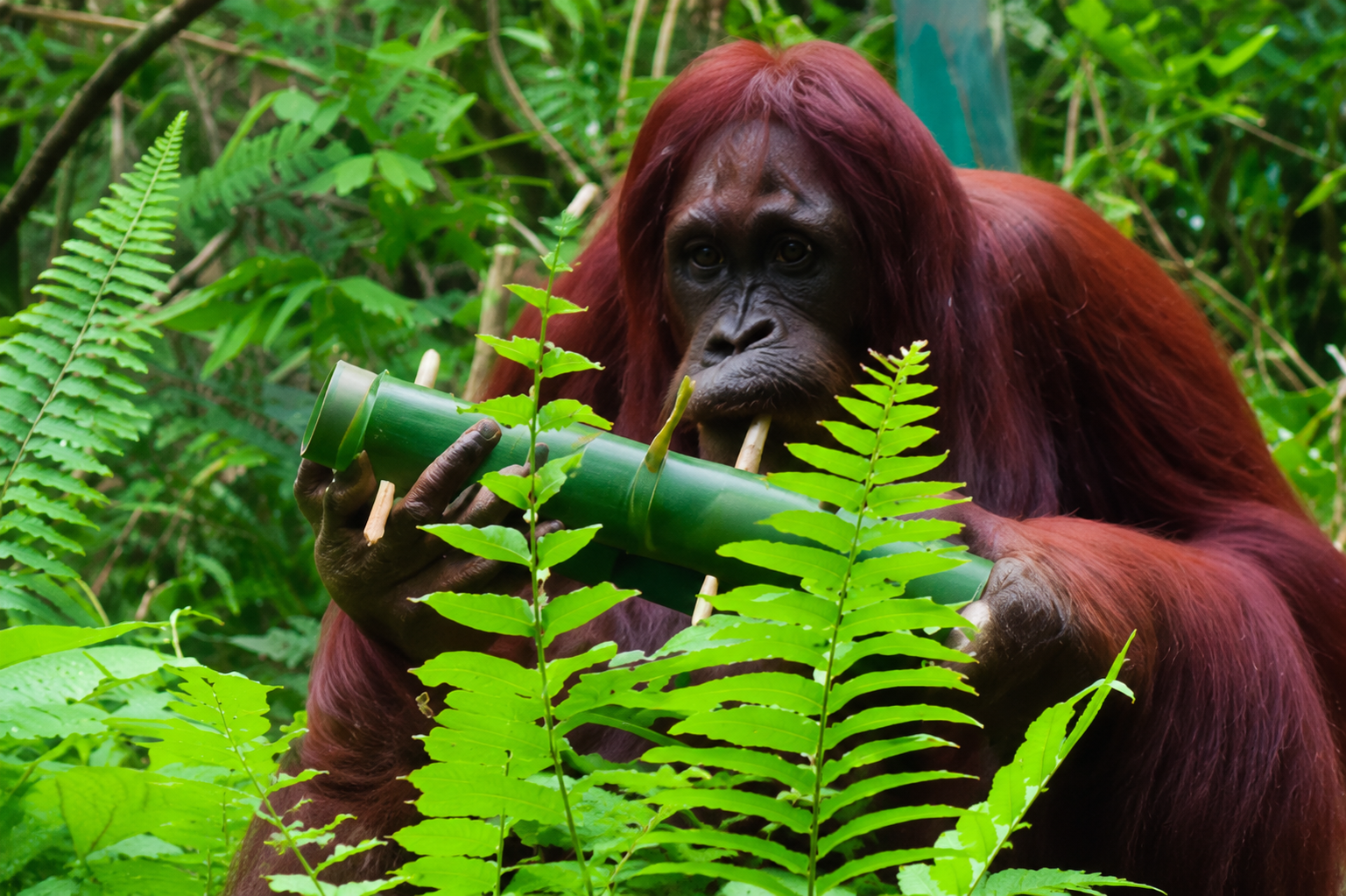
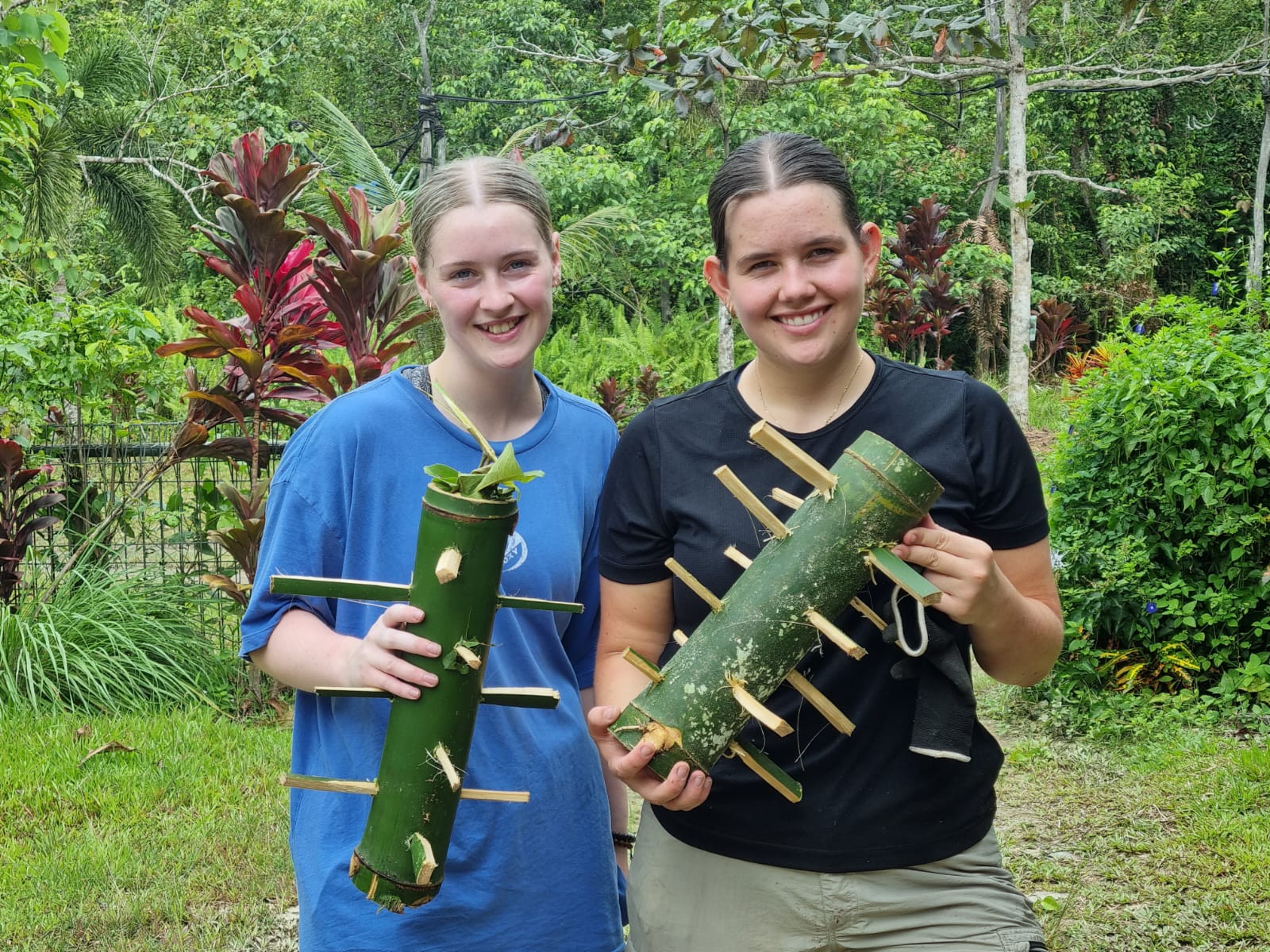
As a volunteer, you’ll contribute to enrichment, husbandry support, habitat maintenance and other practical work that helps improve the animals’ daily wellbeing. Enrichment is particularly important for orangutans in rehabilitation or long-term care, encouraging natural behaviours including foraging, problem-solving, tool use, movement and nest-building.

This isn’t an animal encounter. It’s an opportunity to see what responsible wildlife conservation actually looks like, and contribute to the work behind it.

Ethical orangutan and sun bear conservation in the heart of Borneo's rainforest

Oceans 2 Earth Volunteers has selected this established Indonesian conservation program for volunteers looking for a responsible way to contribute to orangutan and sun bear welfare.


The program is run by an experienced local conservation organisation with decades of involvement in orangutan protection, rehabilitation, habitat conservation and animal welfare at the world-renowned Samboja Lestari Rescue Centre,a 2000-hectare sanctuary.


Importantly, this is a strictly non-contact wildlife program. Volunteer activities are determined by the needs of the animals and conservation team rather than by creating interactions for visitors.


O2E supports you through the volunteer journey, including your application, preparation, payments, pre-departure information and ongoing support.


You’ll receive full details about the program objectives, placement and local arrangements as part of your volunteer documentation.

We don’t choose wildlife projects because they offer the closest animal encounter.

We look at whether the experience makes sense from the animals’ perspective.


For this program, that means:

  • *no handling or cuddling orangutans or sun bears
  • *no unnecessary direct contact with wildlife
  • *animal welfare takes priority over the volunteer experience
  • *activities are directed by experienced local conservation staff
  • *volunteers contribute to practical work that is genuinely required
  • *enrichment is designed around natural behaviours and individual welfare needs
  • *rehabilitation and conservation objectives aren’t compromised for tourism


That’s the kind of wildlife volunteering we believe should exist.

Volunteers support the daily care and wellbeing of rescued, rehabilitating and non-releasable orangutans and sun bears.


Animals may come into care because of injury, illness, habitat destruction, the illegal wildlife trade or conflict with humans. Their individual circumstances differ, and so do their welfare and rehabilitation needs.


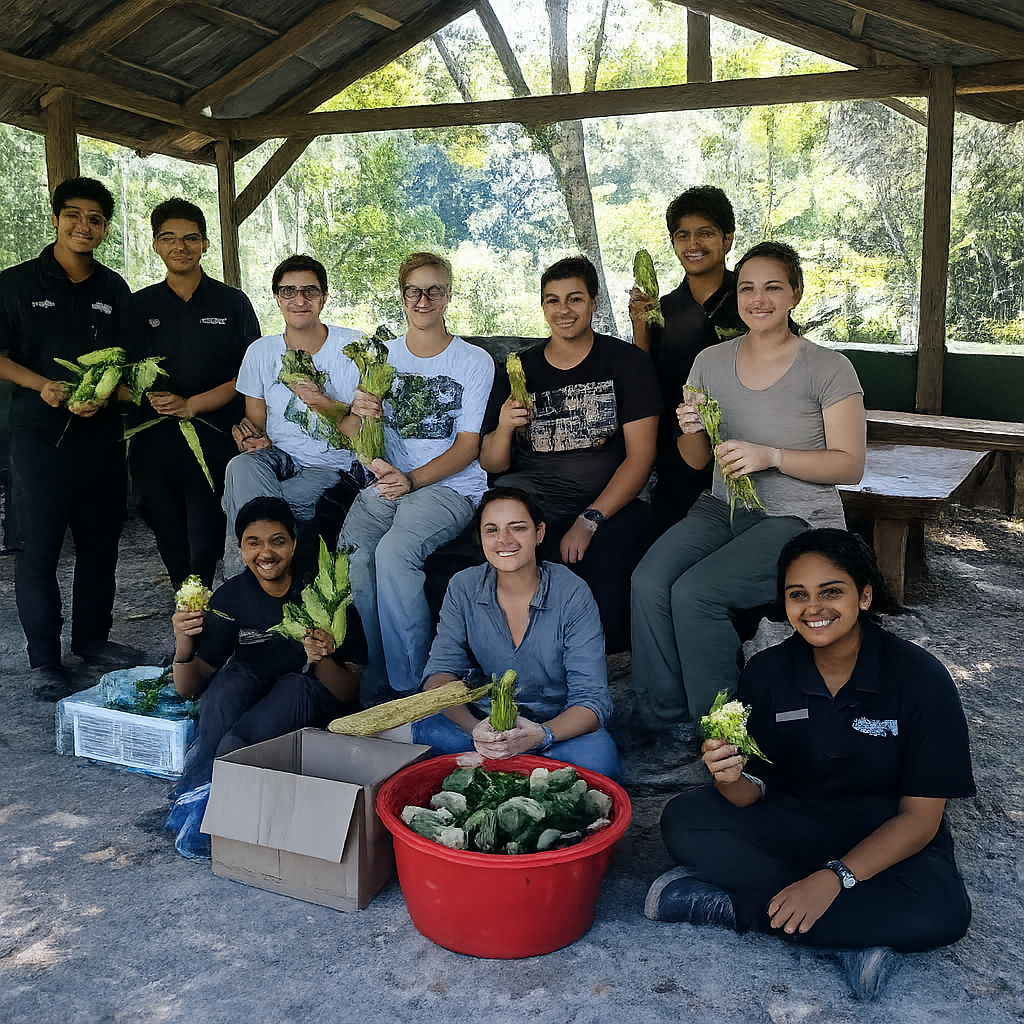
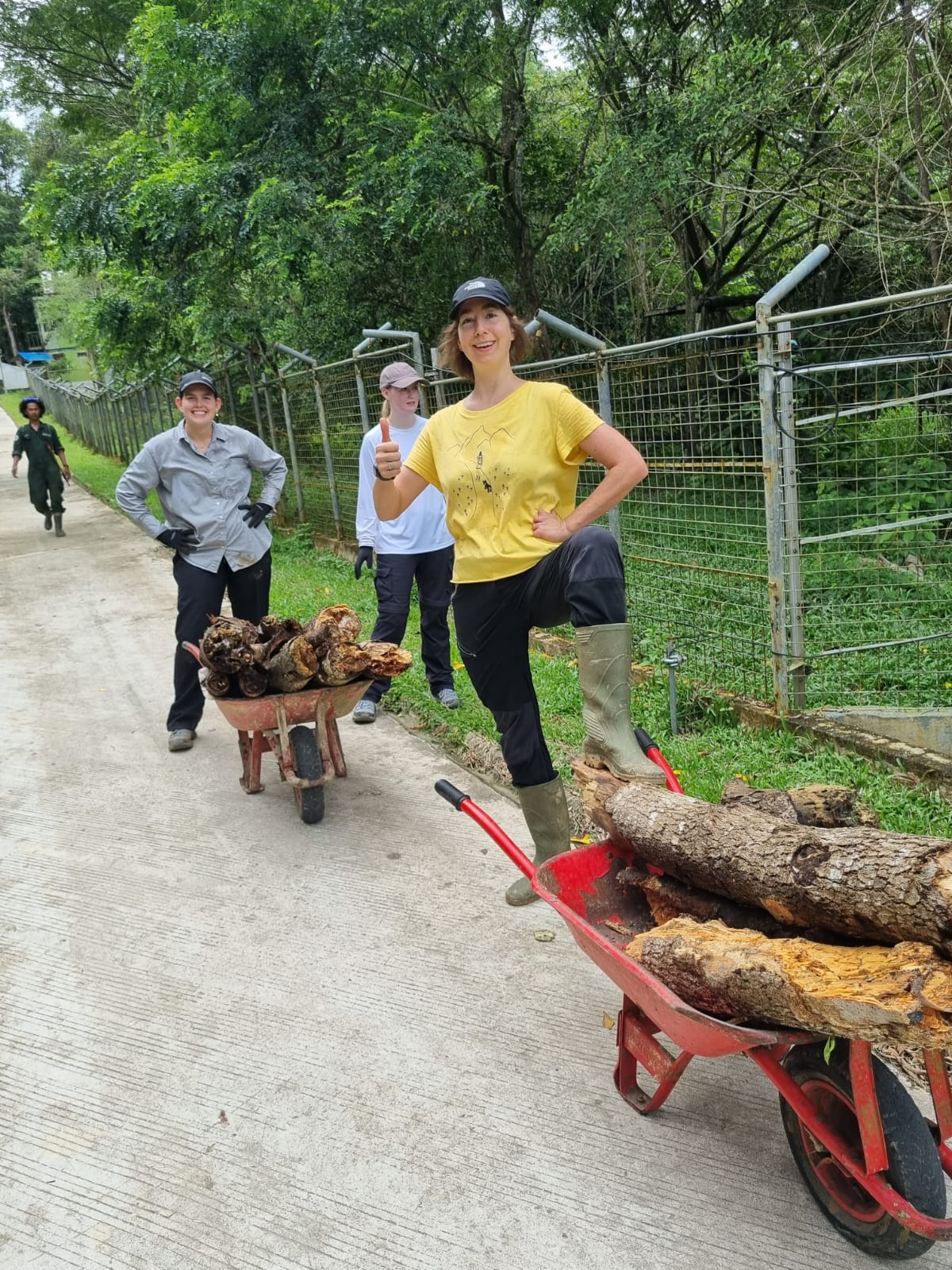
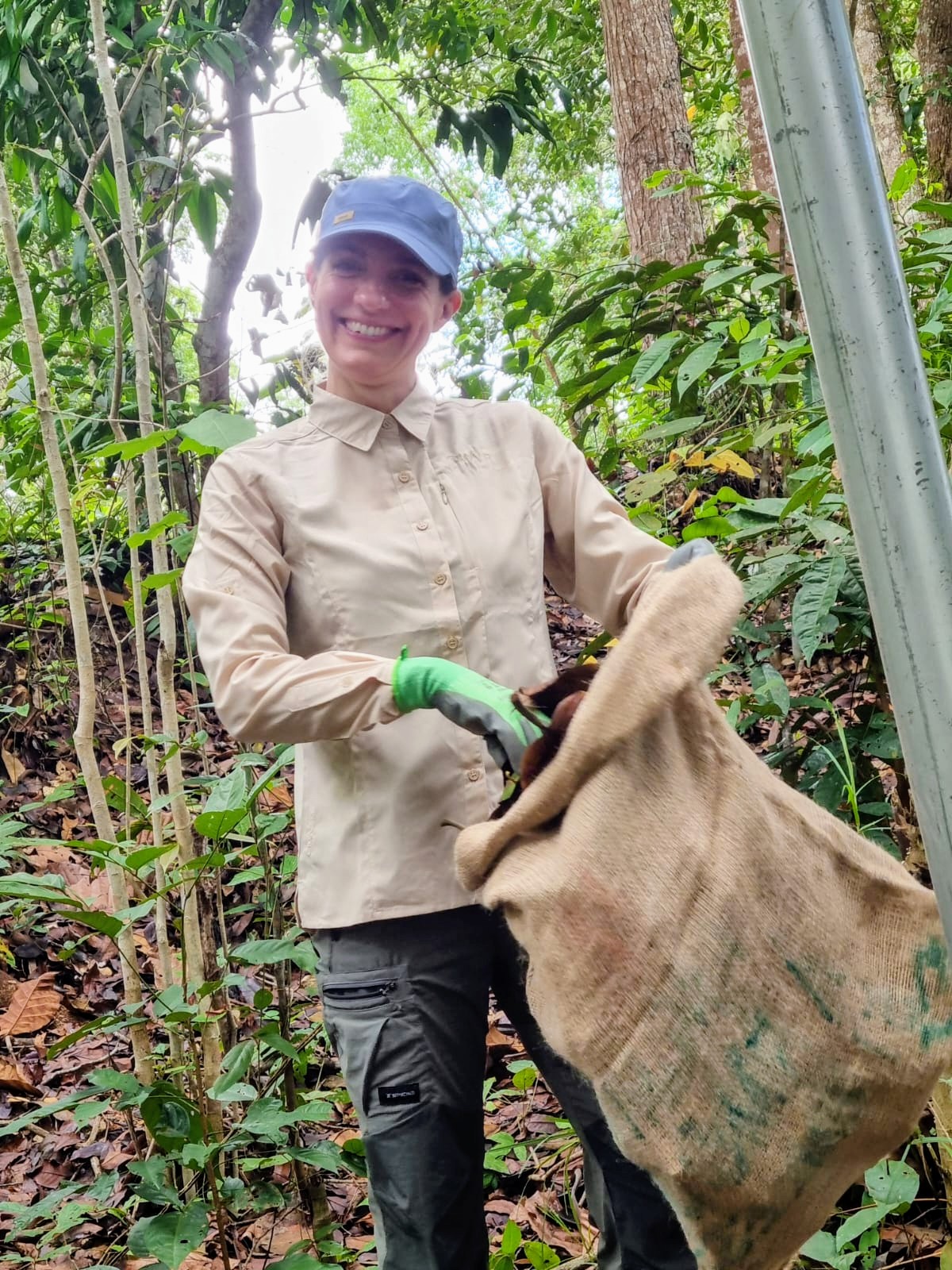
Your days may include preparing food, cleaning care areas, creating environmental and behavioural enrichment, maintaining habitats and recording animal observations for the conservation team.


Some of these jobs aren’t glamorous.

That’s precisely the point.


Responsible animal care involves a considerable amount of cleaning, preparation, observation, maintenance and repetition. These practical tasks help create safe, stimulating environments in which animals can express more natural behaviours.


By contributing your time and effort, you’re supporting both the animals’ daily wellbeing and the long-term work of an experienced wildlife conservation team.


This is an ethical, non-contact program. Volunteers don’t handle infant orangutans or enter restricted quarantine and rehabilitation areas. All activities take place under the animal welfare and safety protocols of the conservation team.

Volunteer activities vary from day to day, depending on the needs of the animals and the priorities of the local team. Flexibility is important, as planned tasks may change at short notice to support the wellbeing of the orangutans and sun bears in care.


Your activities may include:

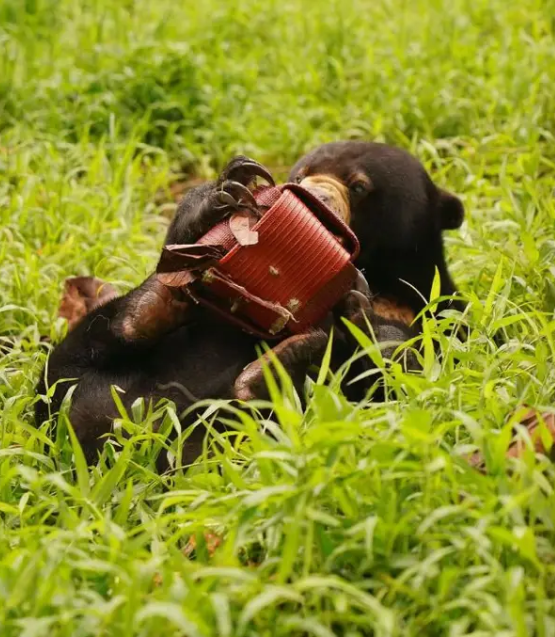
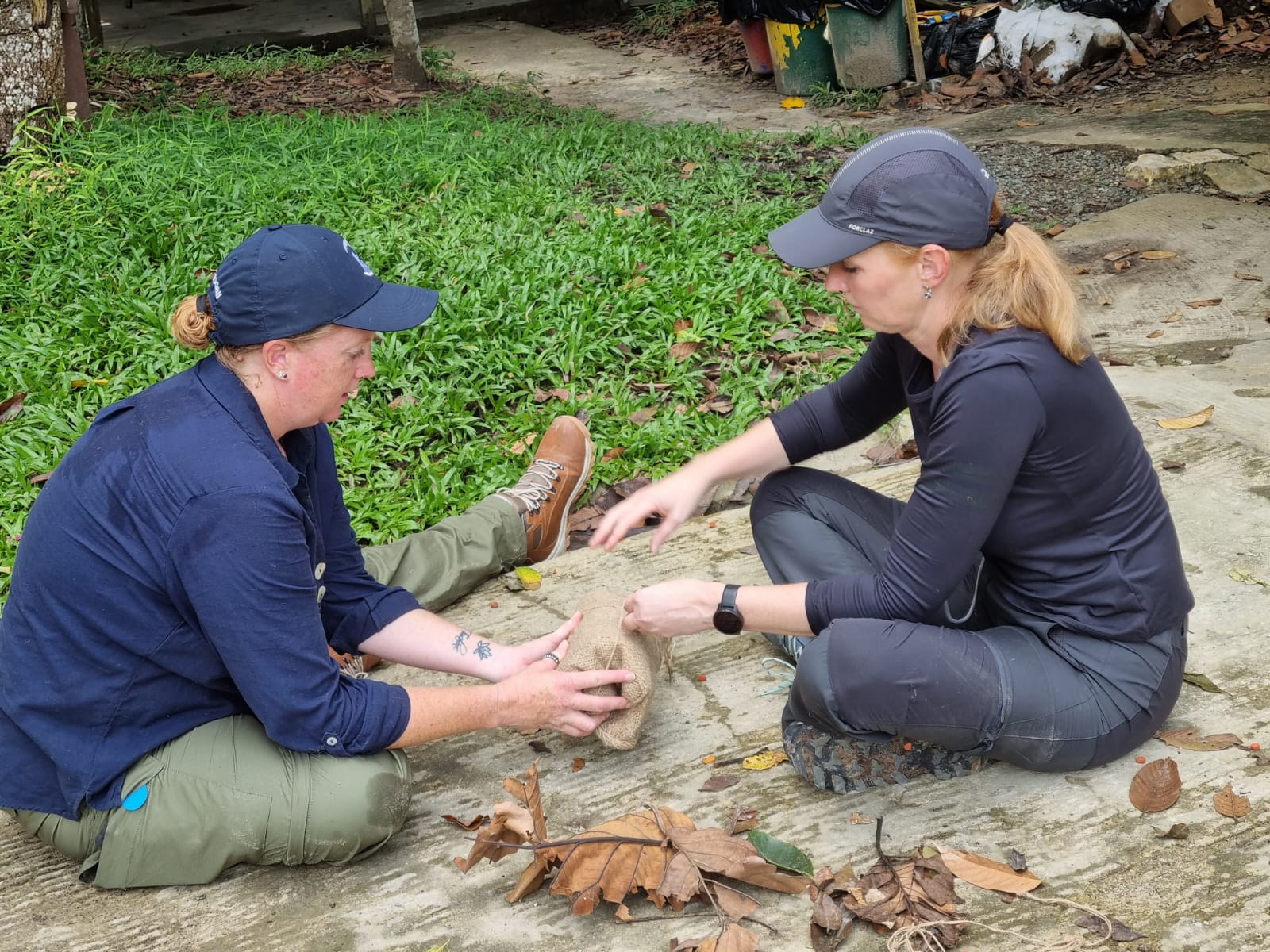
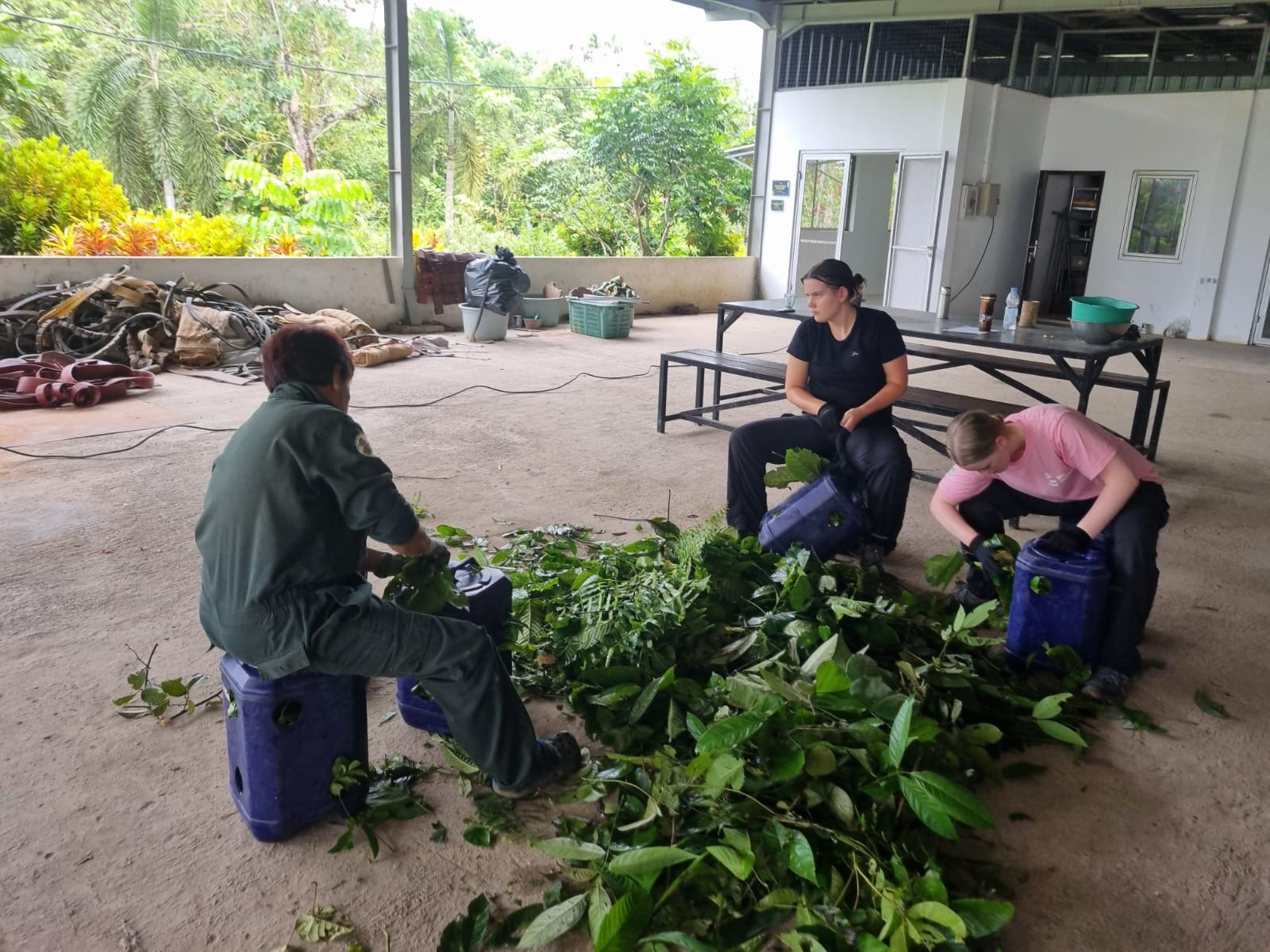
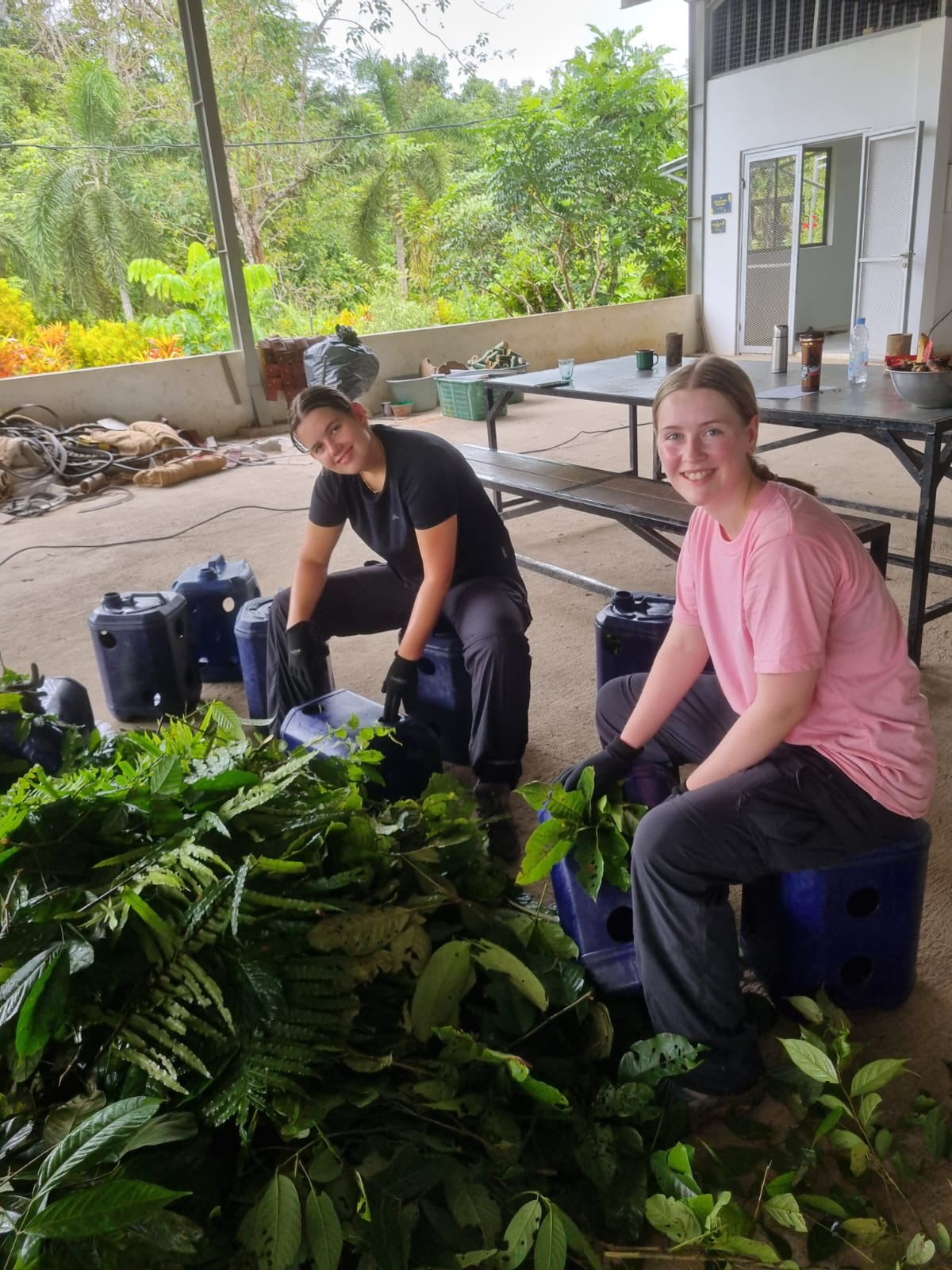
  • *Creating enrichment for sick, non-releasable and rehabilitating orangutans and sun bears
  • *Observing orangutan and sun bear behaviour
  • *Assisting technicians with cleaning outdoor yards and care areas
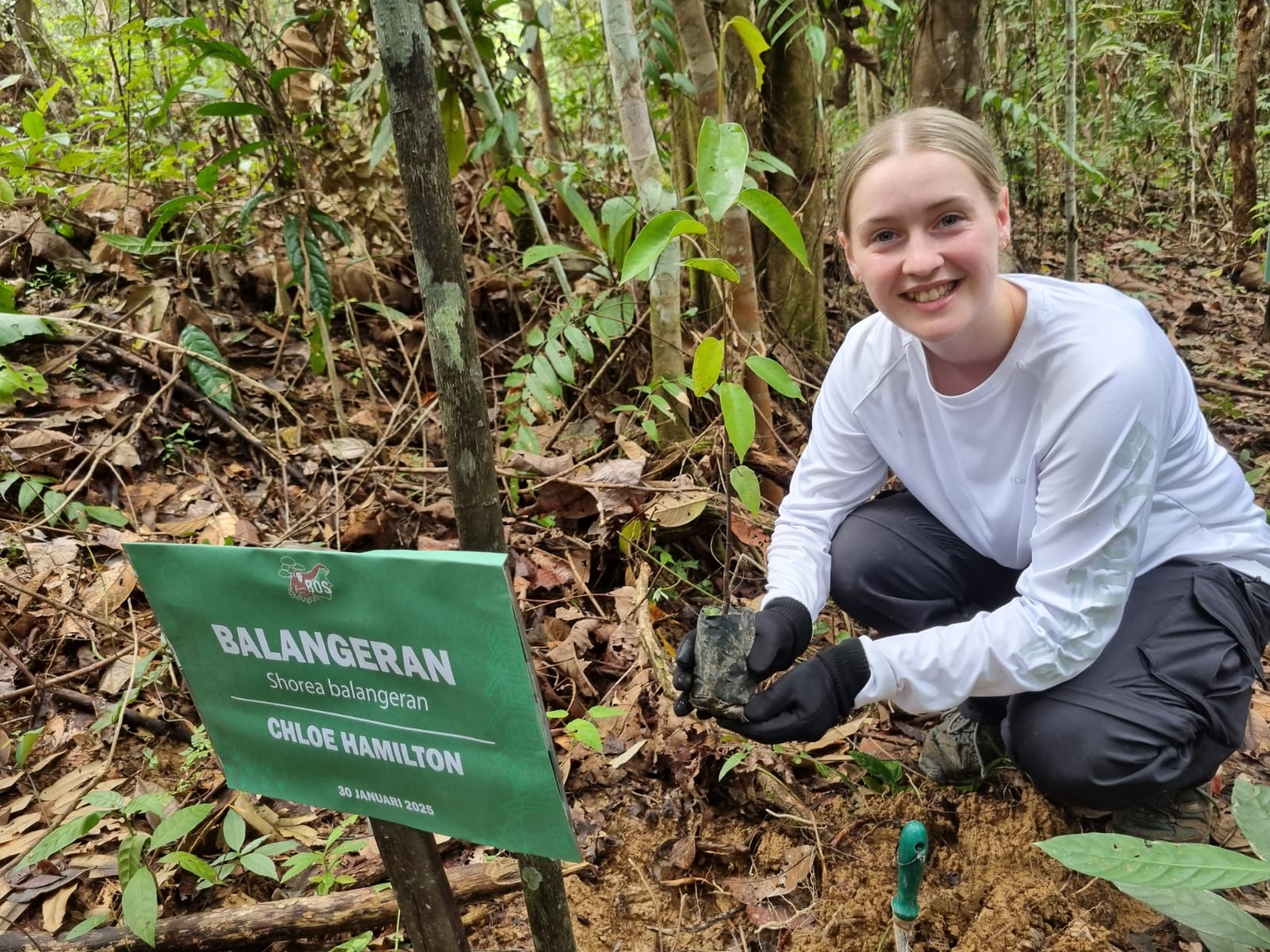
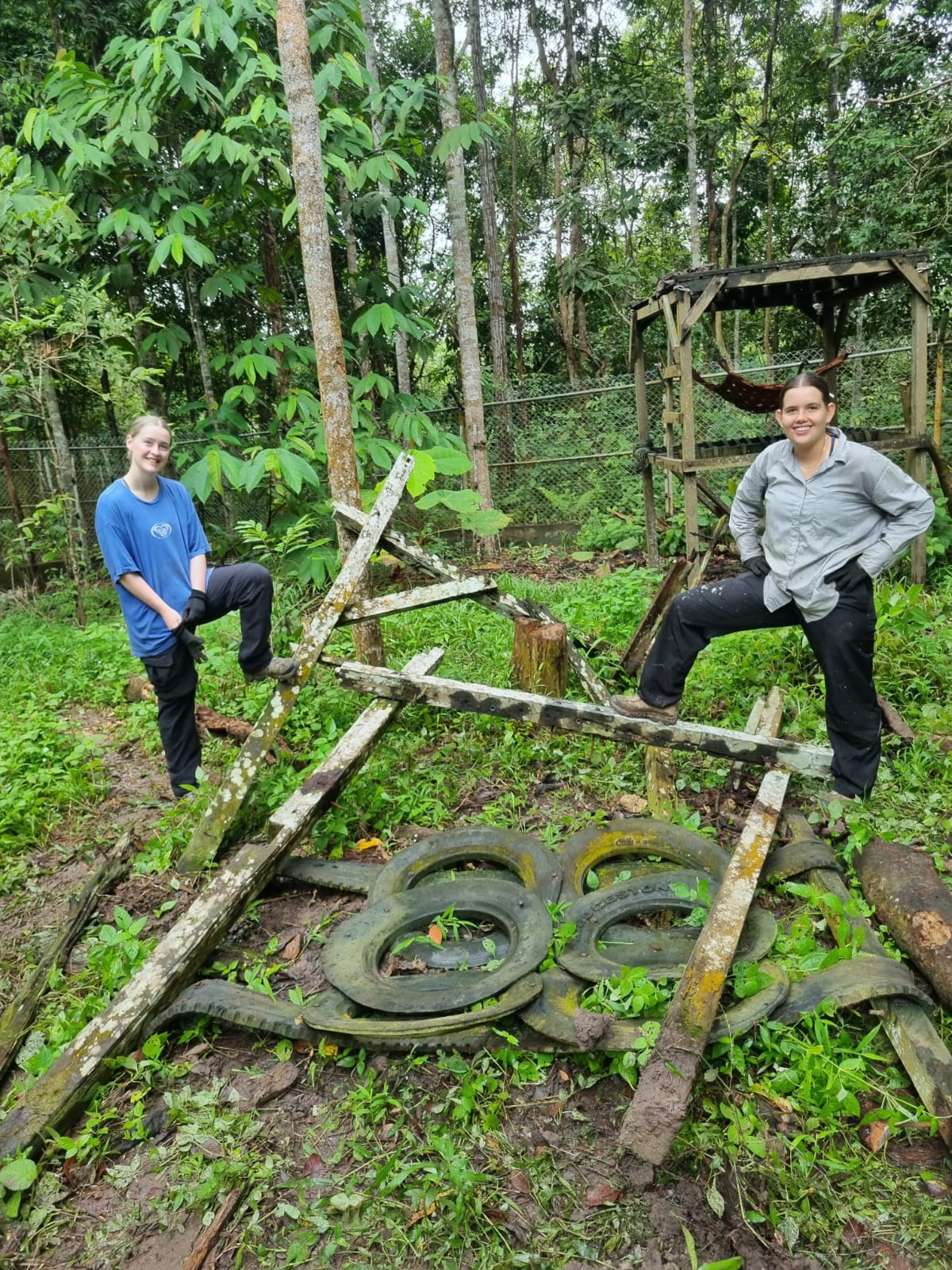
  • *Helping to build feeding platforms or repair animal habitats
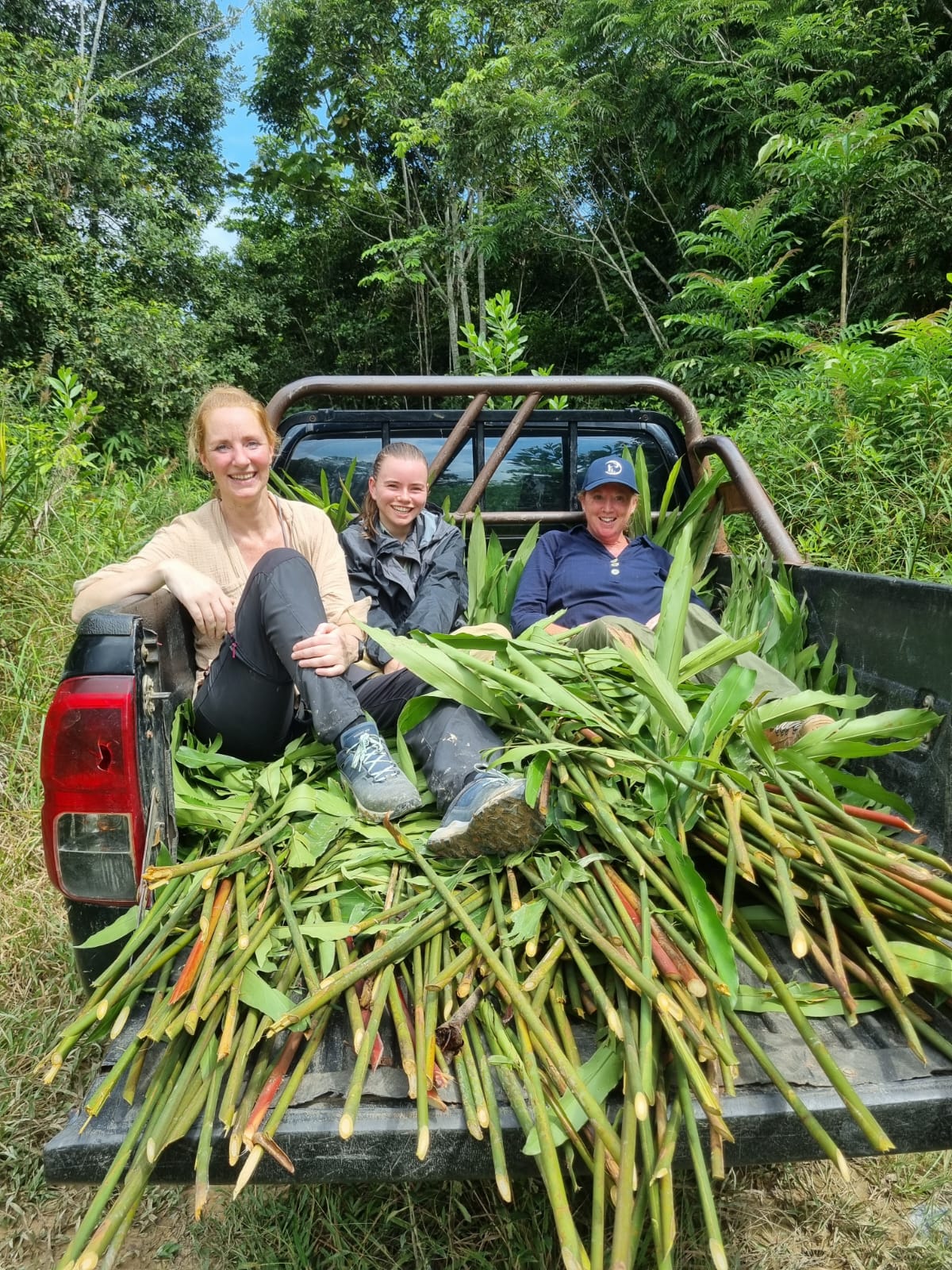
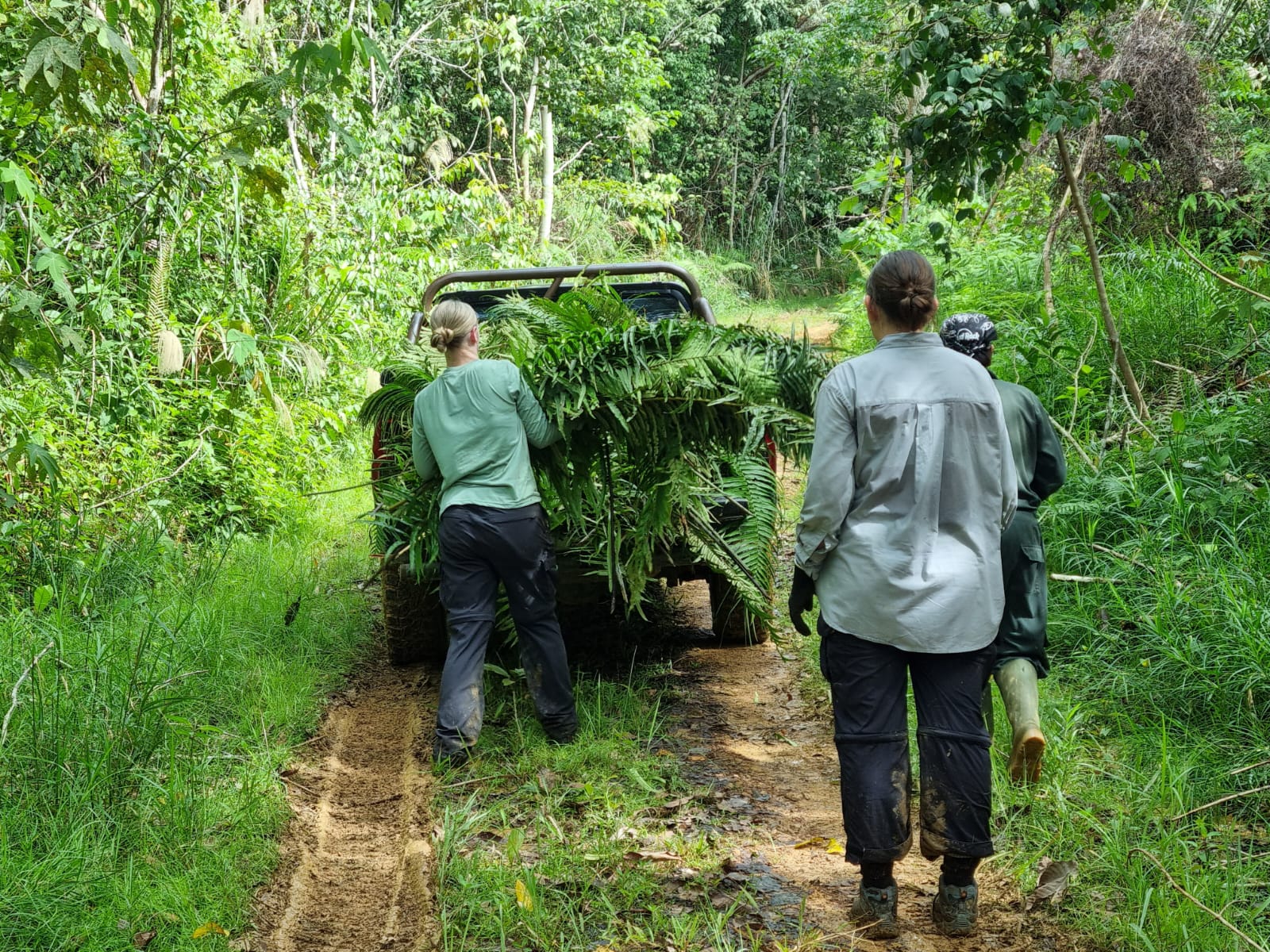
  • *Foraging and cutting leaves, browse and food for the animals
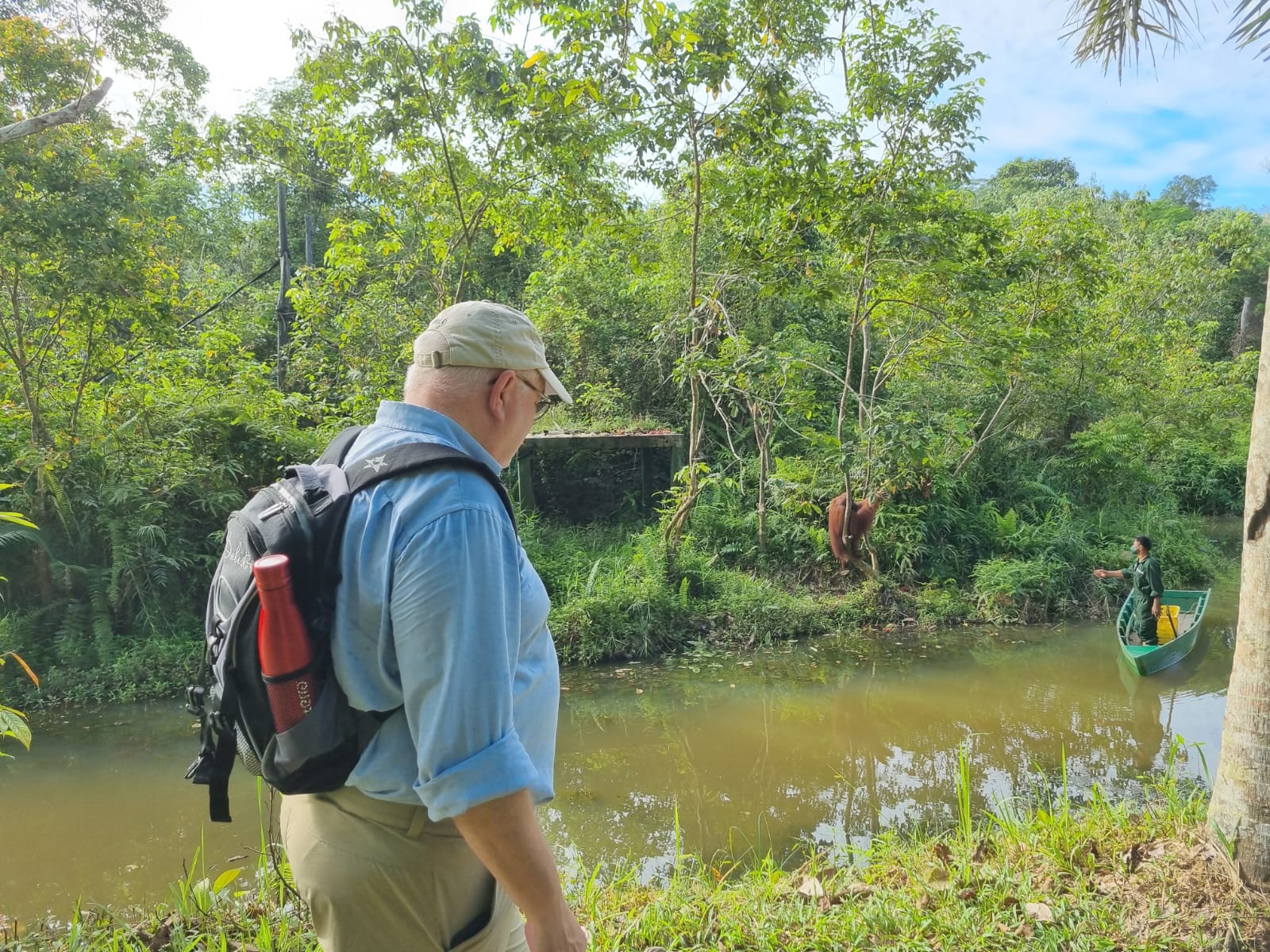
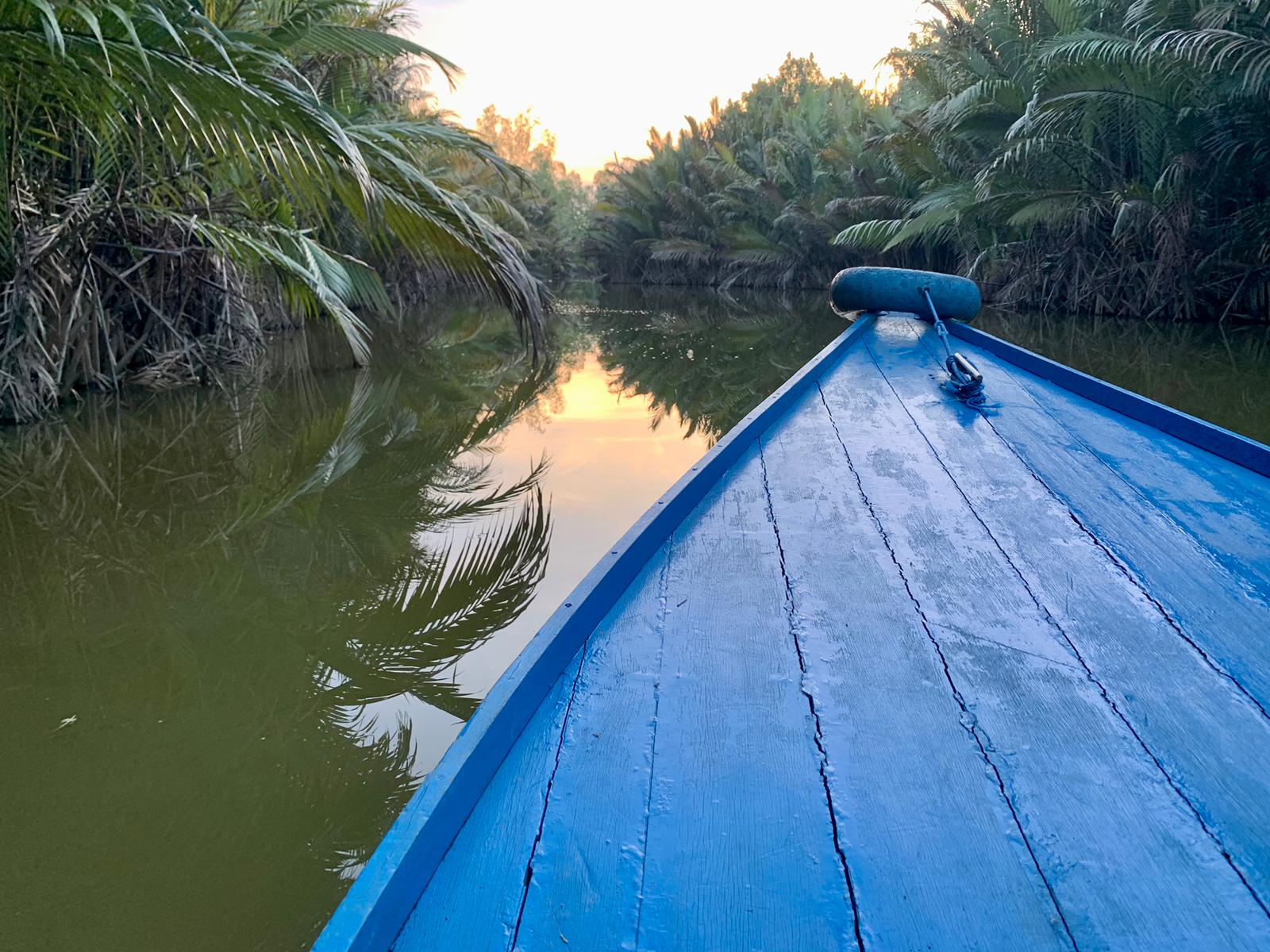
  • *Travelling by boat to orangutan island to observe feeding
  • *Assisting carers with cleaning the orangutan islands
  • *Joining night-time spotlight walks, where available


Volunteers have one day off each week to rest and explore the local area. Activities may include the canopy walk, traditional markets or a Black River proboscis monkey cruise are included in the program.

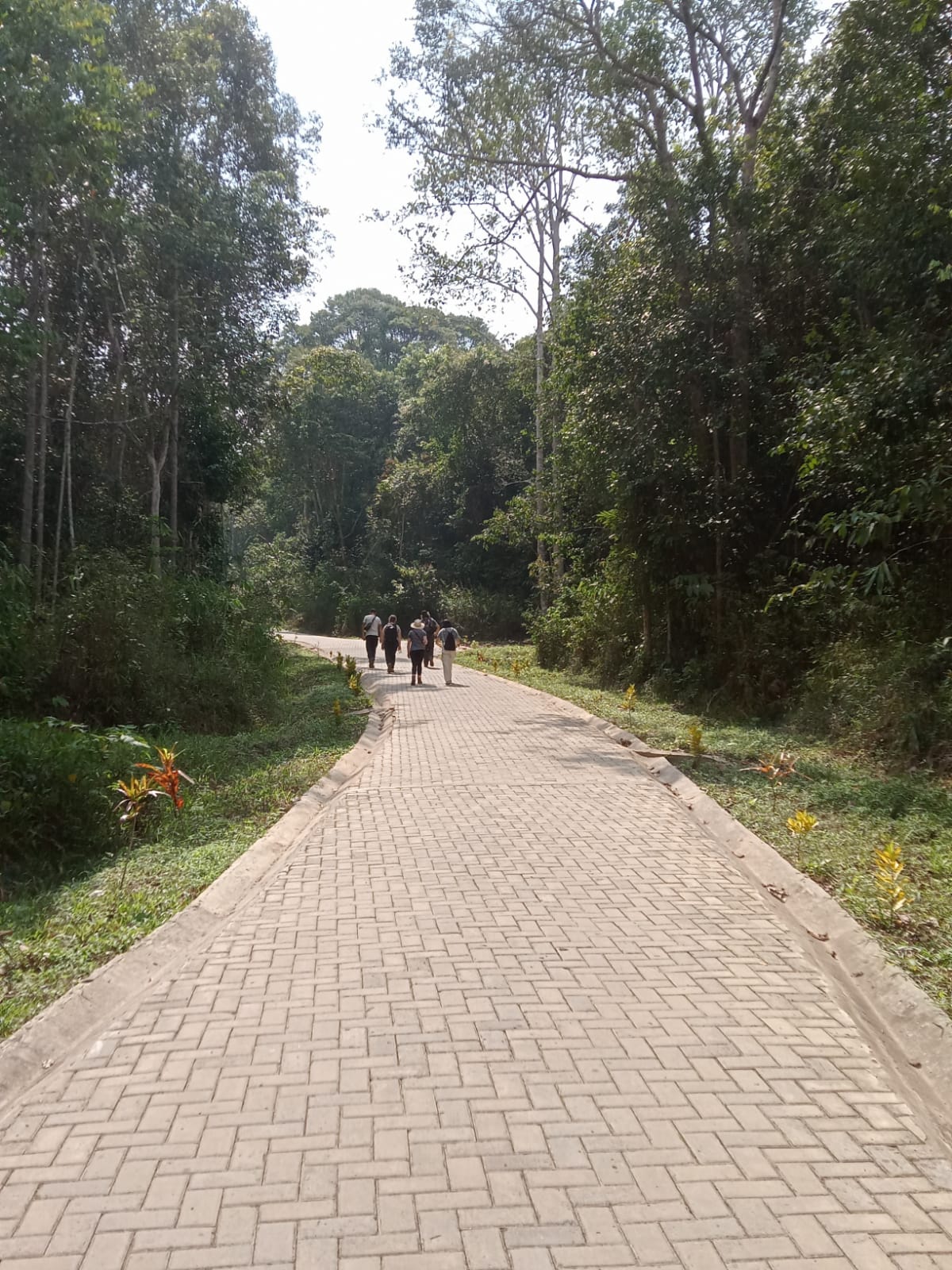
Mornings at the centre often begin with the sounds of the rainforest – orangutans calling, birds moving through the trees and local wildlife waking around the lodge. Volunteers usually start the day with a fresh, locally prepared breakfast before heading out to begin work at around 8:00 am.


The first work session is often focused on the more physical tasks, such as cleaning, maintenance, building or habitat repairs. These activities are usually completed earlier in the day to avoid the strongest heat.


Depending on the needs of the animals and the local team, you may also head out with carers to assist with morning food supplements for orangutans on the islands. This can provide a valuable opportunity to observe their behaviour at close range, always under staff guidance and without direct contact.


After a two to three-hour work block, volunteers return to the lodge for lunch, usually featuring local Indonesian dishes. There is time after lunch to rest, cool down and enjoy the quiet of the surrounding forest before the afternoon session begins.


Afternoon activities often start between 2:00 and 3:00 pm and may include foraging in the rainforest for leaves and nesting materials, preparing enrichment for the following day, or helping provide enrichment to non-releasable orangutans and sun bears. These tasks support the animals’ daily stimulation, comfort and natural behaviours.


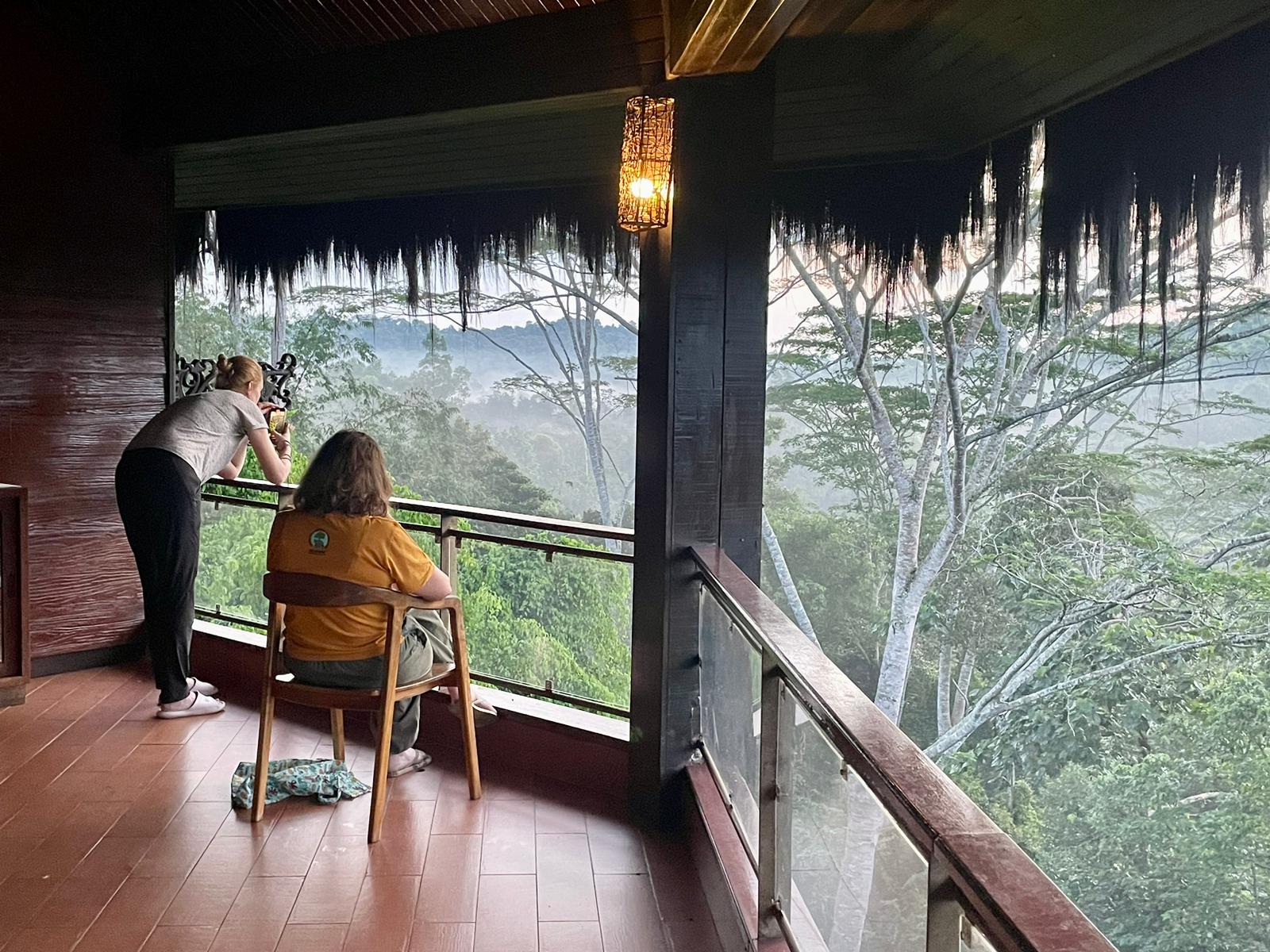
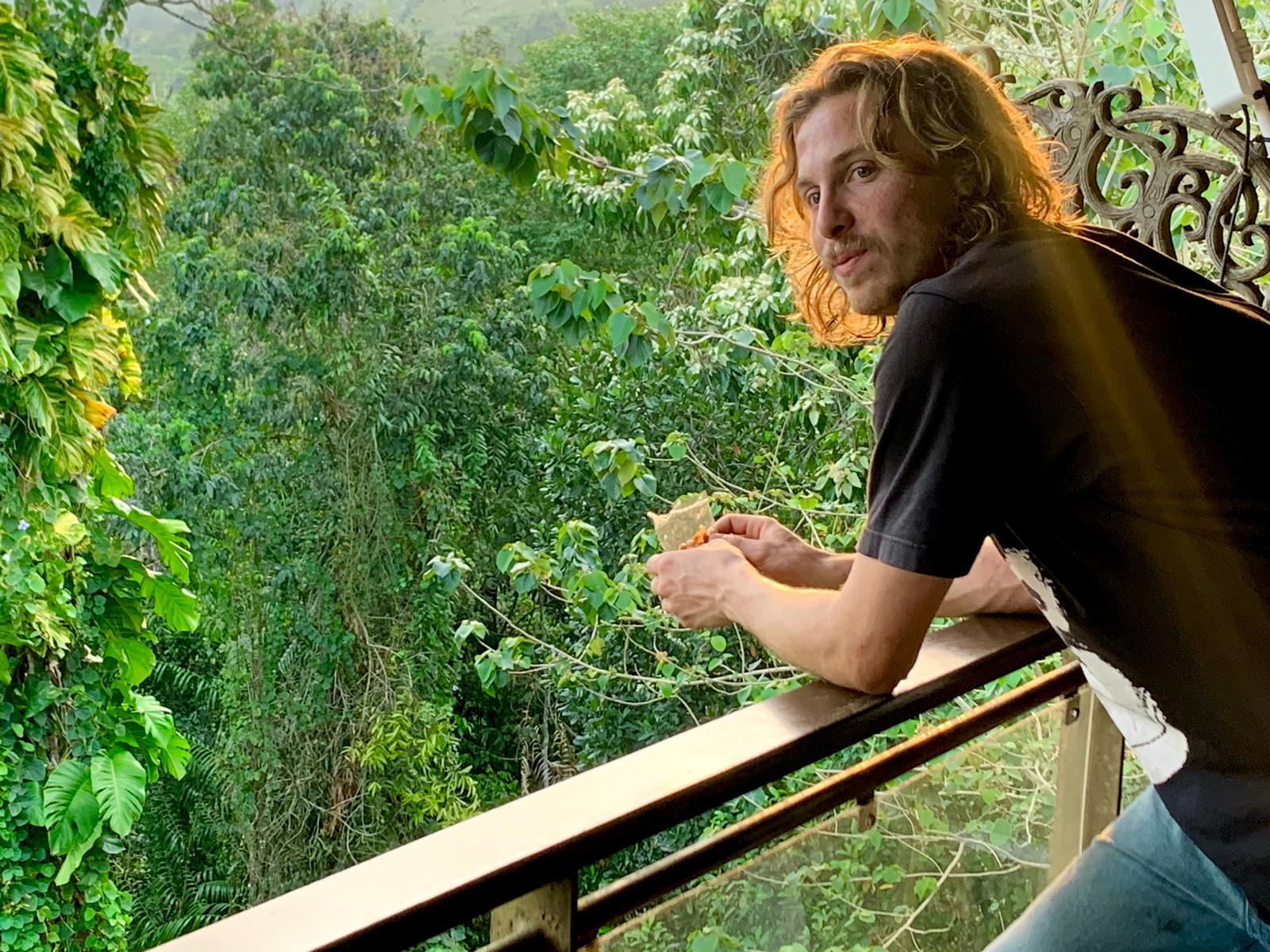
Work usually finishes between 4:00 and 5:00 pm, giving you time to wash off the dirt and sweat of the day, read, relax or take in the view from the observation deck. In the late afternoon, you may see monkeys moving through the trees and hear the orangutans calling as the forest settles.


Evenings are shared at the lodge, with dinner, conversation and time to unwind. Some nights may include games, a movie or a relaxed game of pool with other volunteers and local staff.


As with all conservation work, each day can change. The schedule depends on animal welfare priorities, weather, staff needs and what will be most useful at the centre.

You must be at least 18 years old to participate.


You don’t need to be a wildlife expert, but you do need to arrive ready to contribute.


This placement is best suited to volunteers who are:

  • *adaptable
  • *reasonably fit and comfortable working in tropical conditions
  • *prepared to get dirty
  • *willing to undertake routine as well as interesting tasks
  • *respectful of animal welfare boundaries
  • *able to follow staff instructions
  • *comfortable with plans changing according to conservation priorities


Health and vaccination requirements apply because you’ll be working around vulnerable wildlife.


Current requirements may include tetanus vaccinations, and screening for communicable diseases including HIV, hepatitis B, hepatitis C and tuberculosis. Additional vaccination requirements may apply depending on your travel history.


We’ll provide the current health requirements during your application and pre-departure preparation.

The work takes place in hot and humid conditions and can be physically demanding. Volunteers should be prepared for practical, hands-on tasks such as cleaning, maintenance, food preparation and enrichment support. It can be tiring, sweaty work, but it is also deeply meaningful when you understand how each task contributes to the animals’ daily care and welfare.
This is a strict hands-off program. Orangutans and sun bears at the centre are protected from unnecessary human contact to reduce stress, prevent injury and support natural behaviours wherever possible.
 

Volunteers must not touch, handle, feed or attempt to interact directly with the animals unless specifically instructed by authorised staff. This includes avoiding human-like communication, gestures or behaviours that could encourage dependency or disrupt their rehabilitation.

 

Respecting this boundary is one of the most important ways you can help. Your role is not to form a personal bond with the animals, but to support the conditions they need to live safely, naturally and with dignity.

This program runs seasonally between October and March, with a break during the middle of the year.


Programs begin on Sundays and finish on Fridays. You can choose from 2-week or 4-week placements, with set start dates available throughout the operating season.


Because this is a seasonal program with fixed arrival and departure days, availability can vary. We recommend choosing your preferred month first, then checking which 2-week or 4-week placement best suits your travel plans.


Not sure which dates are right for you? Email us any time at team@oceans2earth.org and we’ll help you find the best fit.

You can choose from 2-week or 4-week placements, with set start dates available throughout the operating season.

8am – 4pm, 6 days a week, with an afternoon break.


Volunteers have one day off each week to rest and explore the local area. Depending on the weekly schedule and local conditions, included experiences may include a canopy walk, a visit to traditional markets and a Black River proboscis monkey cruise.

During program days, volunteers may also have the opportunity to join night-time spotlight walks or travel by boat to the orangutan islands to observe feeding and animal behaviour, under the guidance of the local team.

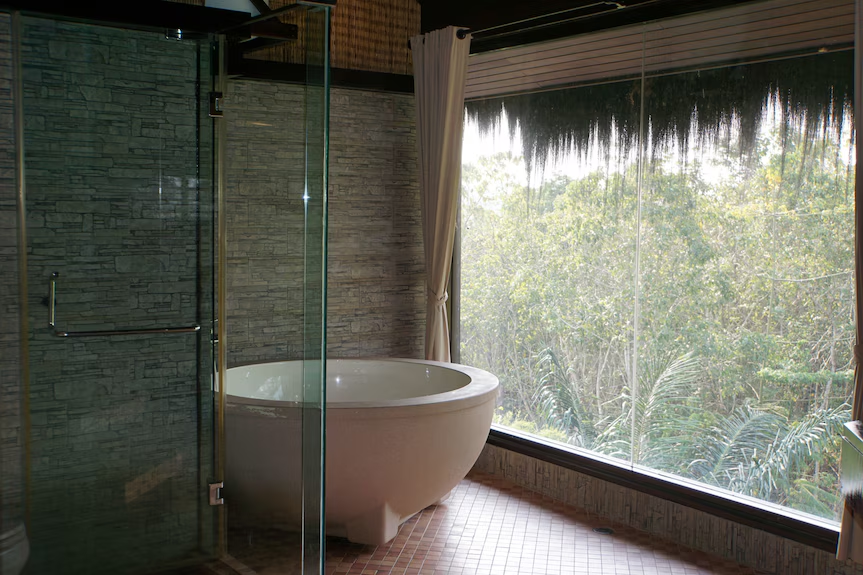
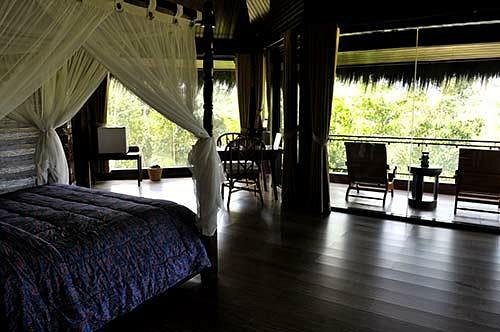
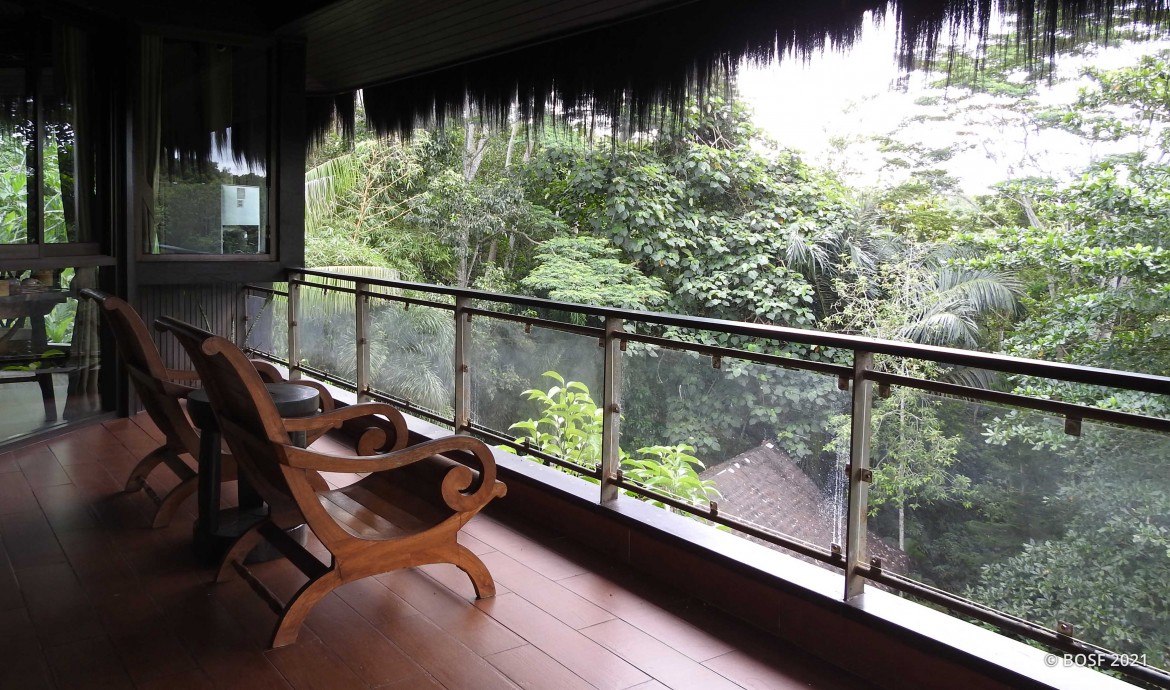
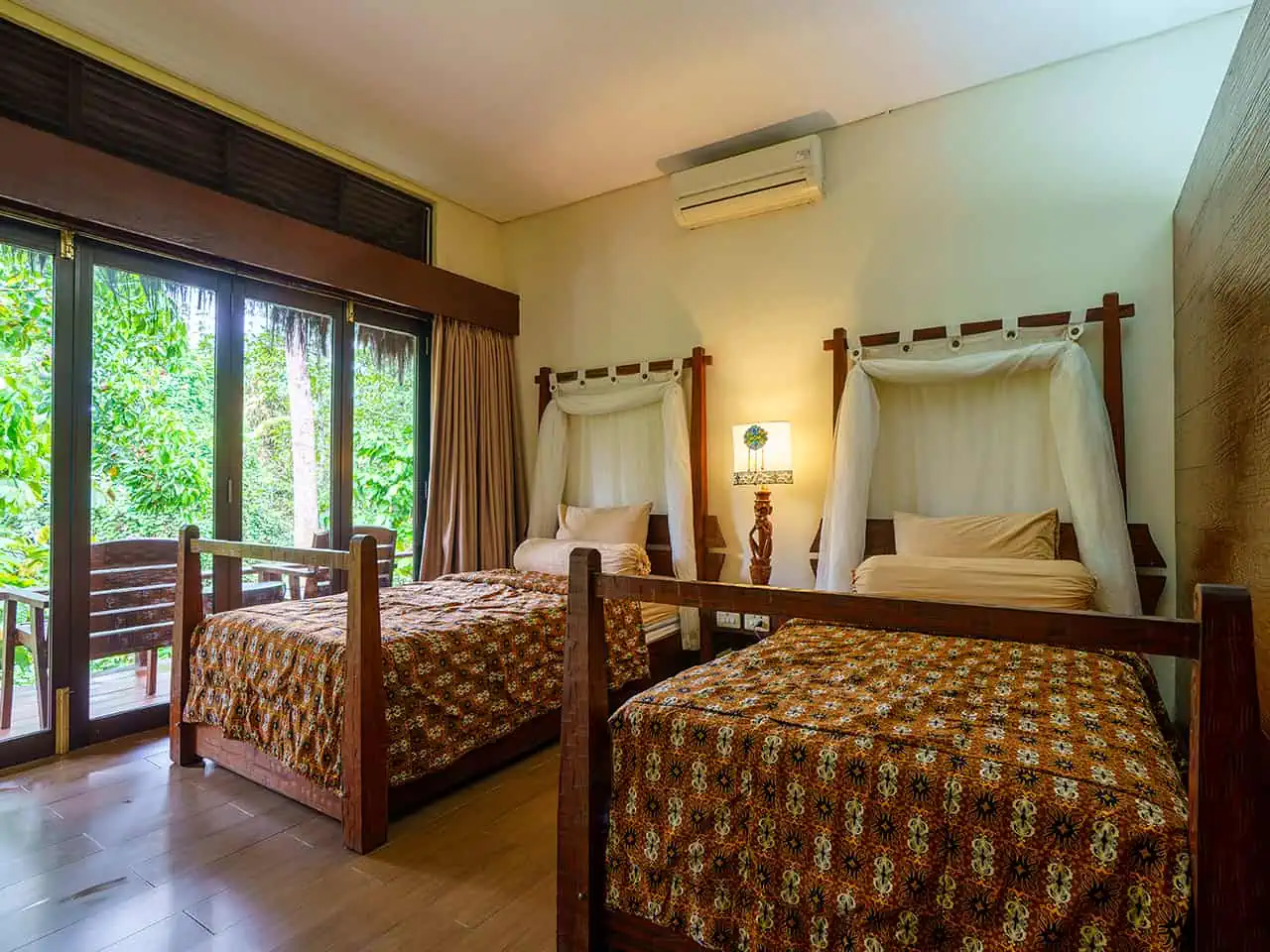
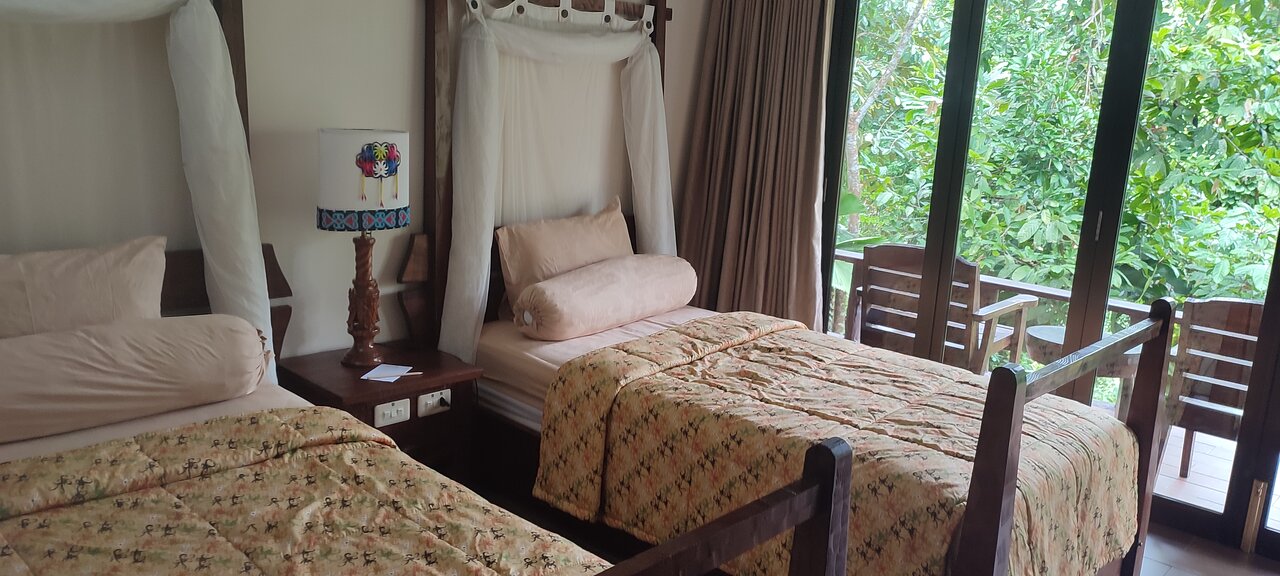
The on-site accommodation is in a lodge with stunning views of the rainforest. Two volunteers of the same gender will usually share a self contained room with their own small bathroom (toilet and hot shower); however, we offer individual accommodation where possible. You can enquire by email for accommodation upgrades or include this as an add-on at the time of booking.


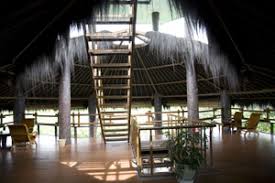
Communal areas include a pool table, lounge chairs and a viewing deck.


There is free (but unreliable) Wi-Fi.

Meals at the lodge are simple, generous and locally prepared. Most meals include steamed rice with a choice of Indonesian dishes, giving volunteers a chance to enjoy the flavours of the region throughout their stay.

Dietary requirements can usually be accommodated with advance notice. Please let us know about any dietary needs when you apply so the local team can prepare as best they can.


Fresh filtered water, tea and coffee are provided. Additional snacks are available to purchase at the lodge and can be helpful between meals, especially after a physical day in the heat.


The lodge bar also offers beer, juices, soft drinks and a small selection of snacks at an extra cost. At the end of the day, you can settle in with a cool drink and watch the sun drop behind the jungle hills.


What's Included

  • Pre-departure support
  • Project Information Guide
  • Balakpapan airport transfers
  • Arrival orientation & all necessary training by staff
  • 12 nights twin-share accommodation
  • Three meals a day, tea, coffee and water
  • Covid-19 tests
  • Four excursions and tours
  • $1,000 donation towards conservation work at the Orangutan Foundation (tax receipt if requested)
  • 24-hour in-country support
  • 24-hour O2E emergency phone
  • Certificate of Participation, if requested

*Please note some items are not included in the project fees listed above, such as flights, visas, vaccinations, travel insurance, snacks, spending money, local transport, in-country tours and return airport transfer (unless mentioned above). Please note that prices are subject to change without notice. Please ensure you have read the O2E Volunteers Terms and Conditions.

Accommodation & Location

Accommodation & Location

How Your Contribution Creates Impact

1
Money to the Project 67%

Money to the Project 67%

Your core experience: field support for rescued orangutans and sun bears, and ethical eco-tours delivered by trusted grassroots partners. Includes $1,000 direct donation to BOS Foundation.

2
Accommodation 13%

Accommodation 13%

Comfortable, eco-conscious lodging during your stay.

3
Operations Costs 3%

Operations Costs 3%

Essential behind-the-scenes work: staffing, logistics, and ethical oversight.

4
Catering 3%

Catering 3%

Local, freshly cooked meals, 3 times a day.

5
Taxes & Charges 10%

Taxes & Charges 10%

Taxes, permits, and legal charges that uphold international and local standards.

6
Donation 4%

Donation 4%

Future Impact Fund – Additional contributions that extend support beyond your stay through ethical projects.

Chiara M.

Chiara M.

Italy

I just returned from two weeks of volunteering with the orangutans at Samboja Lestari. As a huge orangutan enthusiast, this was definitely the best experience of my life, and I can’t wait to repeat it! Hard work, touching moments, exciting explorations, great fun, and laughter. I traveled solo, but I found a fantastic group and new friends from all over the world. I would recommend this experience to everyone, of all ages: everyone can contribute according to their own energy!