Australian Wildlife Care
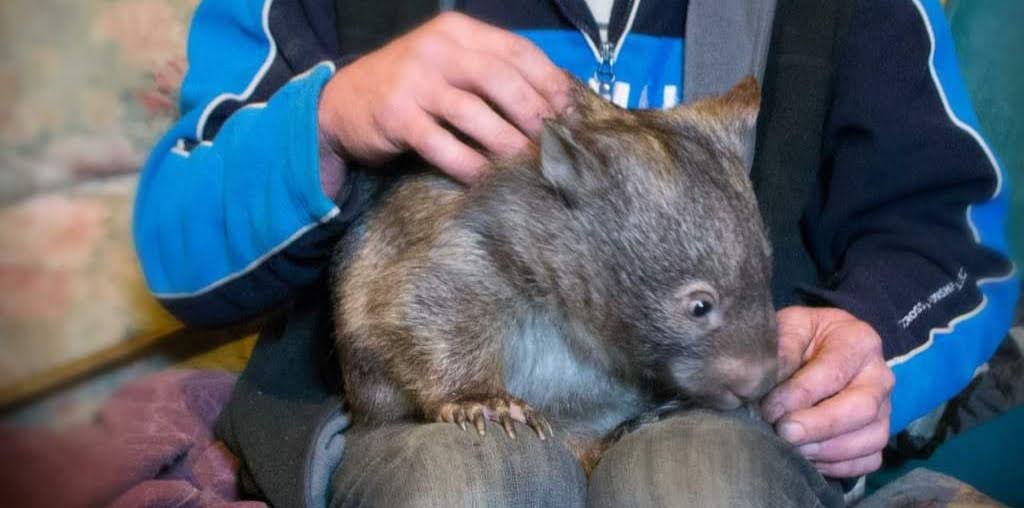
Local carers rescue and rehabilitate sick, injured and orphaned native Australian wombats. All of the animals are loved back to health and are returned to their natural environment.
⚠️ Now Taking Expressions of Interest for Summer 2026 / 2027
This program is currently full due to high demand. See details below to express interest for future placements.
Country Victoria, New South Wales border, Australia
Expressions of Interest for Summer 2026 / 2027
Thank you for your interest in our Australian Wildlife Care program.
Due to strong demand and limited placement capacity, this project is fully booked for 2026. We are now accepting Expressions of Interest (EOIs) for placements in Summer 2026 / 2027 and 2027 / 2028.
If you’re passionate about contributing to the care, rehabilitation, and recovery of native Australian wildlife, we encourage you to register your interest early.
This program operates within a small, home‑based wildlife shelter where each volunteer contributes directly to animal care — from feeding and enrichment to habitat maintenance and daily routines. Because the well-being of the animals and the quality of volunteer experience are our priority, placements are strictly limited. This is both to ensure personalised support for volunteers and to respect the capacity of the home‑stay facilities and wildlife carers on site.
More about this project
Real care. Real impact. Right where it’s needed most.
Step into the heart of regional Victoria, where orphaned wombats, joeys, and gliders rely on skilled hands and steady hearts. This is not a tour—it’s a commitment. At the Wildlife Shelter, you’ll live on-site, support daily care routines, and help injured wildlife get their second chance at life in the wild.
A grounded, hands-on journey into the heart of ethical wildlife care.
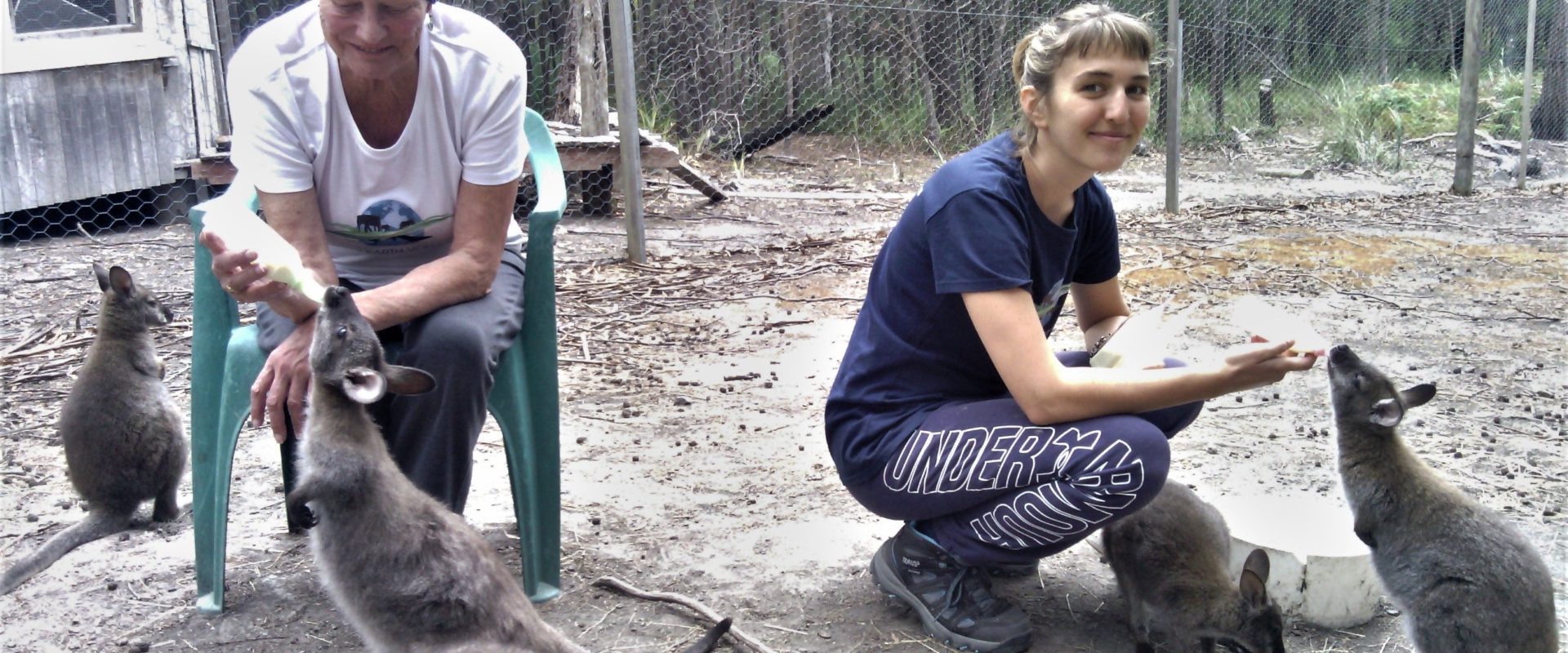
Live and volunteer at a small, home-based wildlife shelter where your work truly matters. From bottle-feeding joeys to cleaning enclosures and preparing native browse, you’ll be part of the everyday rhythm that helps injured and orphaned animals heal.
You’ll share living spaces with other volunteers, cook your own meals, and adapt to off-grid life shaped by the needs of wildlife—not schedules. Quiet, slow, and deeply real—this is meaningful work in its most natural form.
Why This Matters
Every feed, every repair, every quiet moment—it all adds up.
Australia’s wildlife is under pressure. Habitat loss, road trauma, disease, and climate extremes are pushing many native species to the edge. Local shelters play a vital role in the rescue and recovery of injured animals—but they can’t do it alone.
As a volunteer, you step into that gap. Your presence helps ensure animals get the care, comfort, and chance at release they deserve. You also support the wellbeing of the carers themselves—people who give everything, every day, to hold the line.
This isn’t just about doing the work. It’s about standing for something.
Every day, you’ll help support the ongoing care of sick, injured, and orphaned wildlife. Your tasks may include:
Bottle-feeding young wombats, kangaroos, or possums
Cleaning enclosures and preparing bedding
Harvesting native leaves for feeding
Assisting with enrichment, maintenance, or simple repairs
Supporting meal prep, laundry, and shelter upkeep
The work can be physical, sometimes repetitive, and always shaped by the needs of the animals. But it’s also deeply rewarding. By sharing the load, you give exhausted wildlife carers space to breathe—and animals a safer, calmer path to recovery.
Slow mornings. Busy hands. Quiet moments that stay with you.
No two days are quite the same—but most follow the rhythm of feeding, cleaning, preparing, and resting. Here’s how a typical day might unfold:
6:30am – Morning feeds and clean-ups begin early, especially for bottle-fed joeys and wombats.
8:00am – Breakfast and a quick team catch-up before outdoor tasks.
9:00am–12:00pm – Enclosure checks, habitat maintenance, browse collection, and more.
12:30pm – Shared lunch, often followed by quiet time to recharge.
2:00pm–5:00pm – Afternoon care tasks, food prep, and supporting any new arrivals.
Evening – Dinner and downtime, sometimes with evening feeds or care tasks depending on need.
Some days are light. Others are emotionally intense. All are shaped by the unpredictability of wildlife care—and the quiet satisfaction of being part of something meaningful.
18 years of age
No skills required.
This is not a holiday—and that’s exactly why it matters.
Caring for wildlife in a home-based shelter is beautiful work, but it isn’t always easy. You may face:
Long days shaped by feeding times, not your schedule
Repetitive tasks like laundry, food prep, or cleaning enclosures
Rural isolation, with limited reception and few distractions
Emotional fatigue, especially when animals don’t survive
Basic living conditions, including off-grid facilities and shared spaces
This program asks you to be present, flexible, and self-aware. It’s ideal for those ready to contribute quietly, without needing recognition—just the knowledge that they showed up when it mattered most.
The Weather: Expect Variety, Not Predictability
Country Victoria experiences cool winters and warm, dry summers, with crisp mornings, changing skies, and the occasional sudden downpour—so come prepared for everything from gumboots to sunhats.
Every Wednesday
1 week
2 weeks, or
3 weeks
Flexible 7 day working week
Simple, shared, and shaped by purpose.
You’ll live onsite in a modest, volunteer-only house a short walk from the animals. Bedrooms are shared (2–3 people), with basic furnishings and limited storage. Facilities include a communal kitchen, shared bathroom, and an open-plan living area where volunteers rest, cook, and connect.
This is off-grid living—powered by solar, with rainwater tanks and a composting toilet system. There’s no air-conditioning, and mobile reception can be patchy. It’s not luxurious, but it’s honest—and many volunteers say it’s where the strongest memories are made.
Simple, shared, and mostly self-catered.
Basic staples—like rice, pasta, oil, and spices—are provided. Volunteers prepare their own meals in the shared kitchen and usually coordinate dinner plans as a group.
You’ll shop for fresh produce and extras during a weekly town trip. With no cafés nearby and limited takeaway options, most meals are simple, home-cooked, and shared—part of the rhythm of off-grid living.
From AUD $136 a day
| Duration | Cost (AUD) |
|---|---|
| 1 week | $1235 |
| 2 weeks | $2100 |
| 3 weeks | $2965 |
| 4 weeks | $3830 |
What’s included:
- Pre departure support
- Project Information Pack
- Return transfers from Albury to the shelter
- Accommodation
- Meals
- On the job training
- 24 hour in country support
- 24 hour O2E emergency phone
- Certificate of participation, if requested
*Please note some items are not included in the project fees listed above, such as flights, visas, vaccinations, travel insurance, snacks, spending money, local transport, in-country tours and return airport transfer (unless mentioned above). Please note that prices are subject to change without notice. Please ensure you have read the O2E Volunteers Terms and Conditions.
Nicole T.
United Kingdom
"The volunteers for Australia’s native wildlife are AMAZING.
Day in. Day out. No holidays. Around the clock, heart wrenching
stuff. Thank you to you all! Thanks for being there for the
orphaned joey and pinkie wombats! "
HOW TO GET STARTED