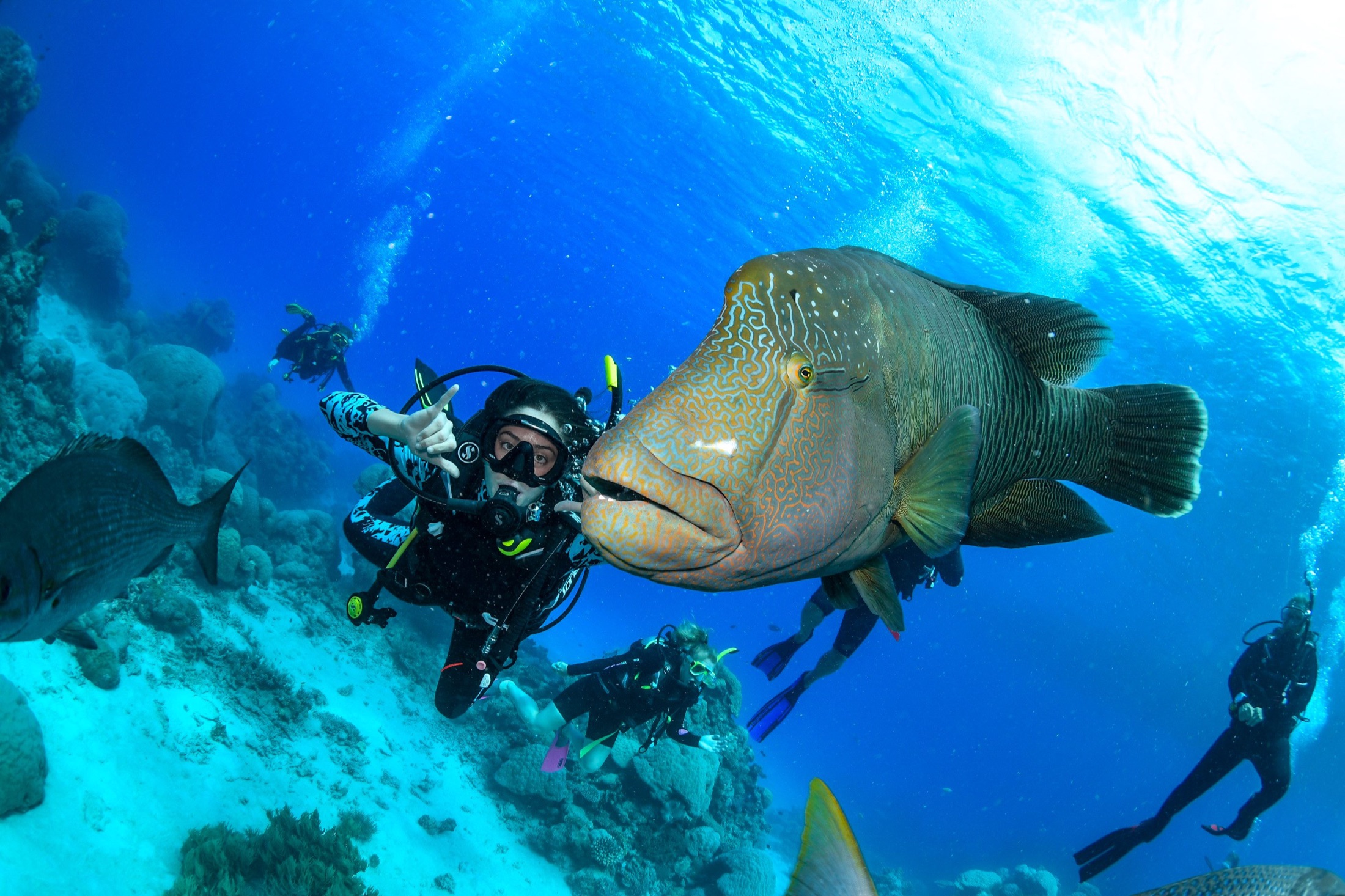
Marine Conservation
Family Education Day
Fitzroy Island or Green Island, near Cairns, Australia
A family day on the Great Barrier Reef: reef learning and hands-on citizen science in a beautiful island setting.
Explore Family Education Day →
Learn More
When booking your flights, aim to arrive at the closest major airport to your project location—we’ll provide the exact arrival point in your welcome pack. Many volunteers choose to arrive a day early to adjust to the time zone and settle in. Airport transfer details and local transport options are also included in your project information guide.
Depending on your destination country, you may need to apply for a tourist visa or visa on arrival. Check the official government travel site for your nationality well in advance, as processing times vary. We’ll provide country-specific advice in your confirmation email to help you prepare.
Comprehensive travel insurance is mandatory for all O2E volunteers. Your policy should cover overseas medical care, trip cancellation, lost baggage, and participation in volunteer or adventure activities. Keep both digital and printed copies of your policy and emergency numbers with you while travelling.
Make an appointment with a travel health clinic at least 6–8 weeks before departure to check vaccination requirements for your project country. Common recommendations include Hepatitis A and B, tetanus, and in some areas, typhoid or rabies. Be sure to discuss any personal health concerns with your doctor.
International travel has a carbon cost—but you can take action. Oceans 2 Earth Volunteers partners with Forever Wild through our Landscape Trust initiative, purchasing and protecting wilderness areas that store carbon and preserve biodiversity. When you tick the $5 carbon offset option during booking, you’re directly contributing to meaningful climate action—learn more about Carbon Reduction Program.
Pack light but smart—bring essentials like a reusable water bottle, reef-safe sunscreen, insect repellent, travel towel, power adapter, and headlamp. A small first aid kit, notebook, and quick-dry clothing go a long way in remote areas. Avoid single-use plastics and unnecessary gadgets. Your gear should support both simplicity and sustainability.
Our projects run year-round in a mix of tropical, subtropical, and temperate climates, so packing for the season and location is essential.
For Marine Conservation (Tropical/Coastal): Expect warm to hot temperatures, high humidity, and intense sun. Bring long-sleeved rashies, quick-dry shirts and shorts, a wide-brimmed hat, lightweight rain gear, and reef-safe sunscreen. Avoid cotton and opt for breathable synthetics that dry quickly.
For Wildlife Projects (Temperate/Seasonal): In Australia, winter (June–August) can bring cold mornings and evenings, especially inland. Pack warm layers such as thermals, fleece, beanies, and a windproof jacket. Summer months (December–February) are hot so bring light, breathable long sleeves for sun and insect protection.
Year-Round Must-Haves: Enclosed shoes or boots, socks that breathe, and clothing that can get dirty. Always check your Information Guide for location-specific recommendations and temperature ranges.
Some programs may require extras like waterproof notebooks, gloves, fins, or field slates—check your Information Guide for project-specific gear. Volunteers working in animal care should pack closed shoes, clothes that can get dirty, and reusable gloves if preferred. If you’re unsure, pack versatile basics and wait to purchase non-essentials locally to reduce luggage and support small businesses.
While most programs include daily meals, having a few of your favourite snacks from home can make a big difference—especially during long travel days, fieldwork, or quiet evenings. Pack non-perishable treats like protein bars, trail mix, or local favourites you might crave or want to share. Food is a great way to bond with new friends from around the world, so consider bringing something that represents your culture—it’s a simple, joyful way to connect across borders.
Many of our project partners work with limited resources, and some accept practical donations to support their ongoing work. If you’d like to bring items such as medical supplies, animal care gear, or school materials, check with us first—we’ll let you know what’s genuinely needed and what can’t be accepted. We ask that donations be thoughtful, useful, and aligned with the ethical standards of the program you’re joining.
It is important to be prepared for anything and everything when travelling on one of our projects. Our project information guides feature a packing list of things you need to pack for your time away on that specific project.
If your phone supports eSIMs, they’re a convenient option for staying connected without needing a physical SIM. Apps like Airalo and Holafly make it easy to activate data plans before or upon arrival. Otherwise, local SIM cards are available at most airports or convenience stores and are often the most affordable choice for calls and data. Wi-Fi is generally available at accommodation, but speeds may vary, especially in remote areas, so don’t rely on it for large uploads or constant connectivity.
Cash is still essential in many project locations, especially for small shops, transport, or meals during free time. We recommend bringing a debit card with low international fees and withdrawing local currency from trusted ATMs. Keep some emergency cash separate from your wallet and let your bank know you’ll be travelling abroad.
O2E provides 24/7 emergency support while you’re on project, and you’ll receive all relevant local contact numbers in your Information Guide. We also check in with you via email within the first few days of your arrival to make sure everything’s going smoothly. If you ever need assistance, have questions, or just want to reach out, you can email us at any time. We’re here to support you throughout your experience.
Pack only what you need and prioritise reusables like water bottles, fabric tote bags, and containers help reduce waste on the go. Avoid single-use plastics and bring solid toiletries like shampoo bars and toothpaste tabs when possible. Less stuff = lighter footprint (and easier packing).
O2E projects do not involve animal performances, petting sessions, or selfie-driven interactions. Follow all guidelines for observing animals from a respectful distance, and remember that enrichment and care – not contact, is the goal. Ethical wildlife care means putting the animal’s needs before our own curiosity.
Every excursion, tour, or extra activity you take matters. Support local businesses that align with ethical, environmental, and cultural values. Avoid tourist gimmicks, wildlife exploitation, or businesses with unclear practices. If you’re unsure, ask us for suggestions or look for transparency in pricing and purpose.
If something surprises you or doesn’t make sense – ask. Whether it’s why certain routines exist, how animals are cared for, or how decisions are made on-site, we welcome your curiosity. We’d always rather explain something in real time than read about a concern later in a review. Questions create understanding, and understanding builds trust.
Whether on a beach, in the bush, or around your accommodation, clean up after yourself and leave things better than you found them. Join a beach cleanup, say no to plastic straws, and dispose of waste properly, especially in regions with limited infrastructure. It’s simple, but it matters.
Marine Conservation
Fitzroy Island or Green Island, near Cairns, Australia
A family day on the Great Barrier Reef: reef learning and hands-on citizen science in a beautiful island setting.
Explore Family Education Day →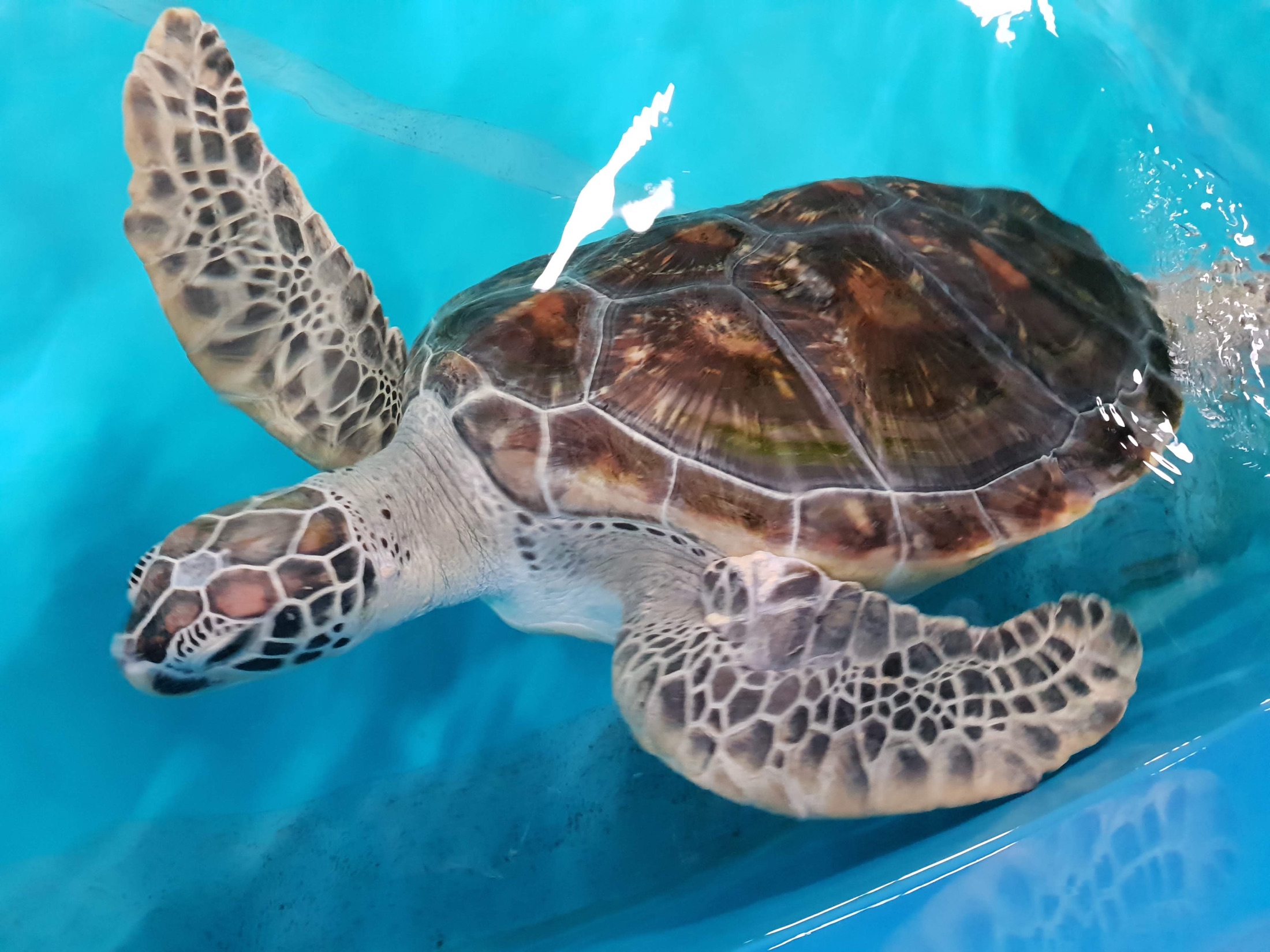
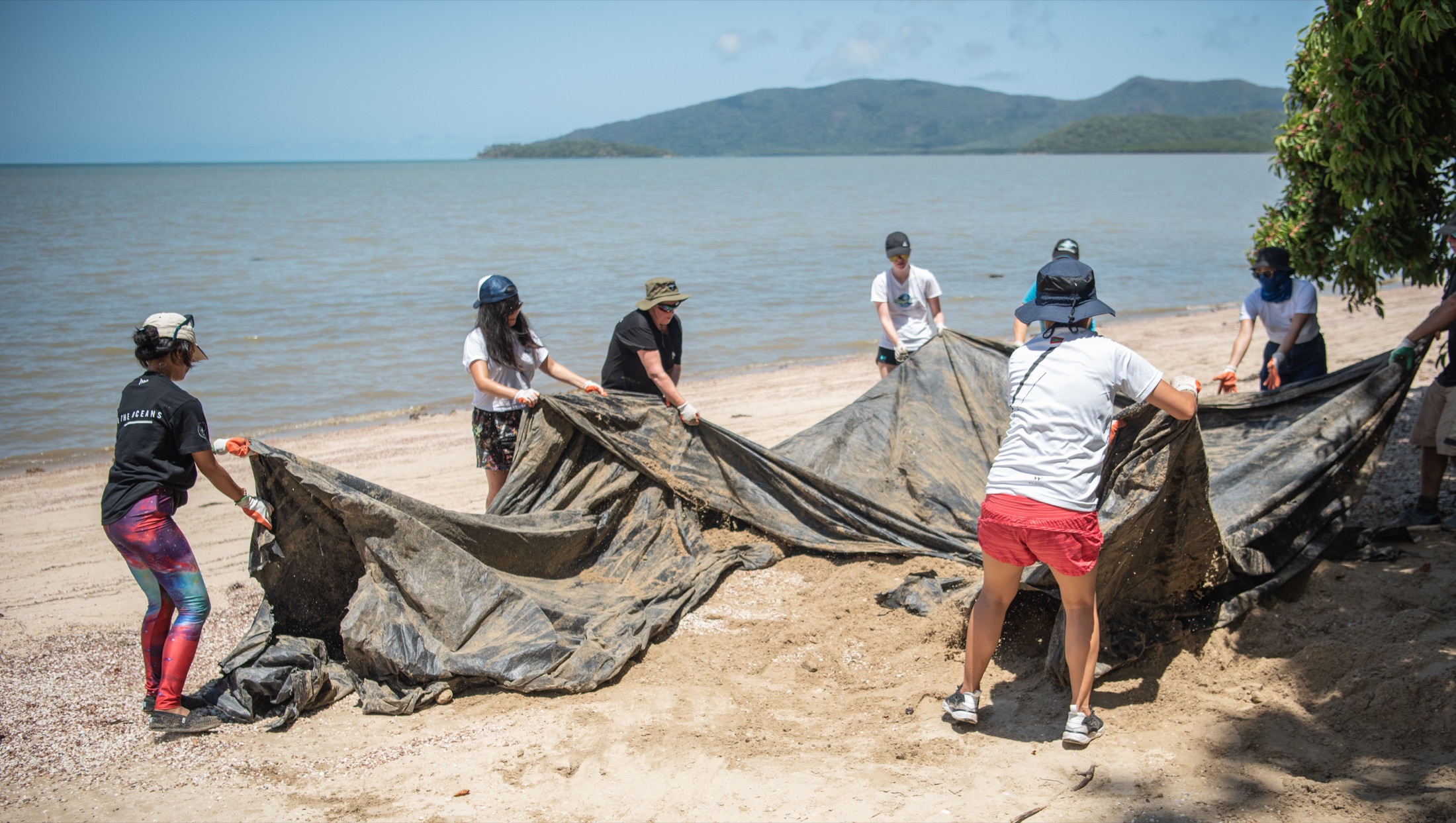
Marine Conservation
Cairns, Queensland, Australia
Reef-based citizen science and marine conservation on the Great Barrier Reef, with dive training or a liveaboard reef experience.
Explore Great Barrier Reef Marine Conservation →
Marine Conservation
Far North Queensland (Cairns · Great Barrier Reef · Daintree · Cape Tribulation · Kuranda)
Three weeks combining reef research, marine conservation and rainforest exploration in tropical Far North Queensland.
Explore Reef & Rainforest Adventure →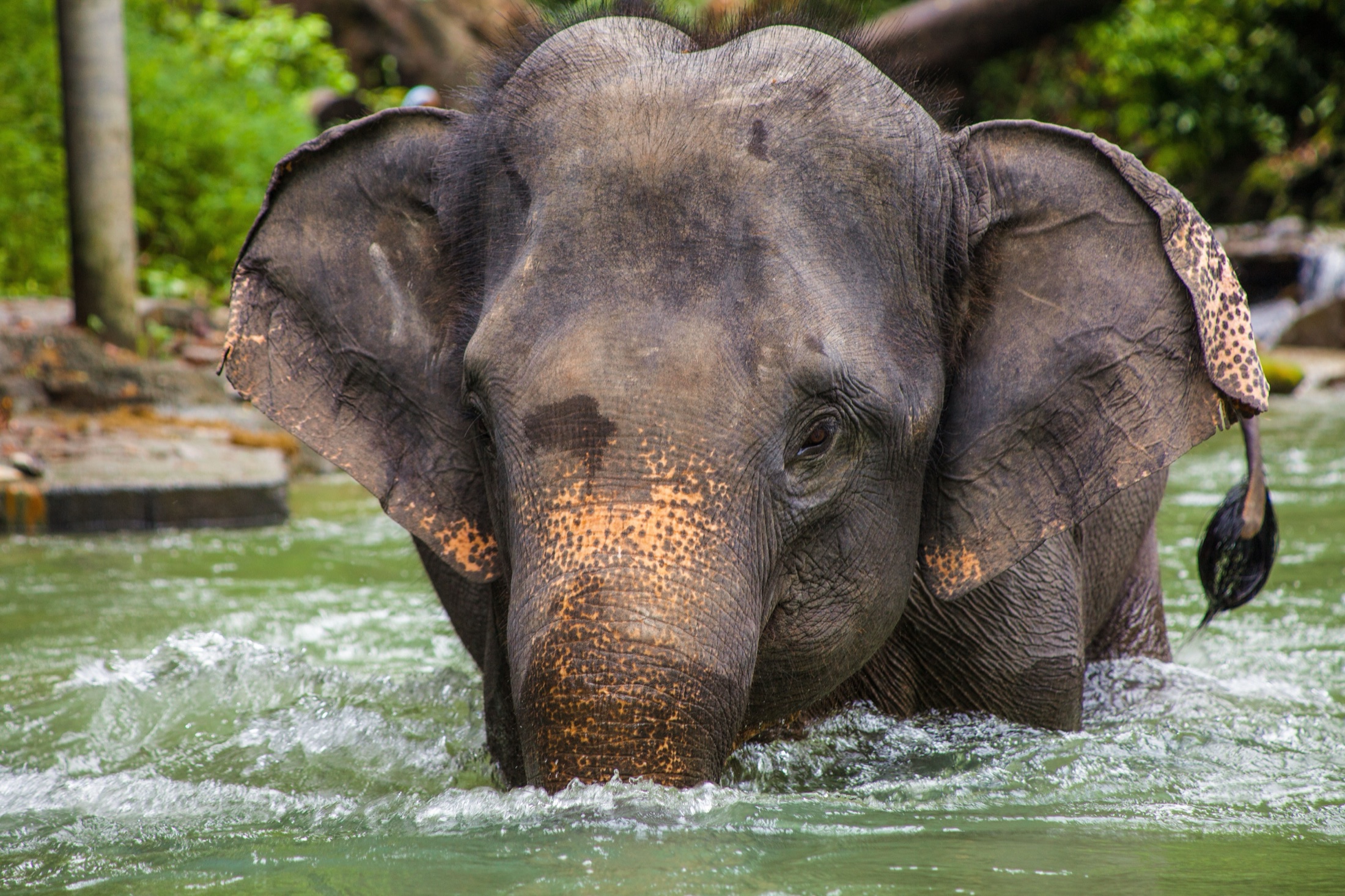
Animal Welfare & Conservation
Chiang Mai, Thailand
Support a sanctuary caring for elephants displaced, abused or removed from unsuitable working conditions.
Explore Northern Thailand Elephant Sanctuary →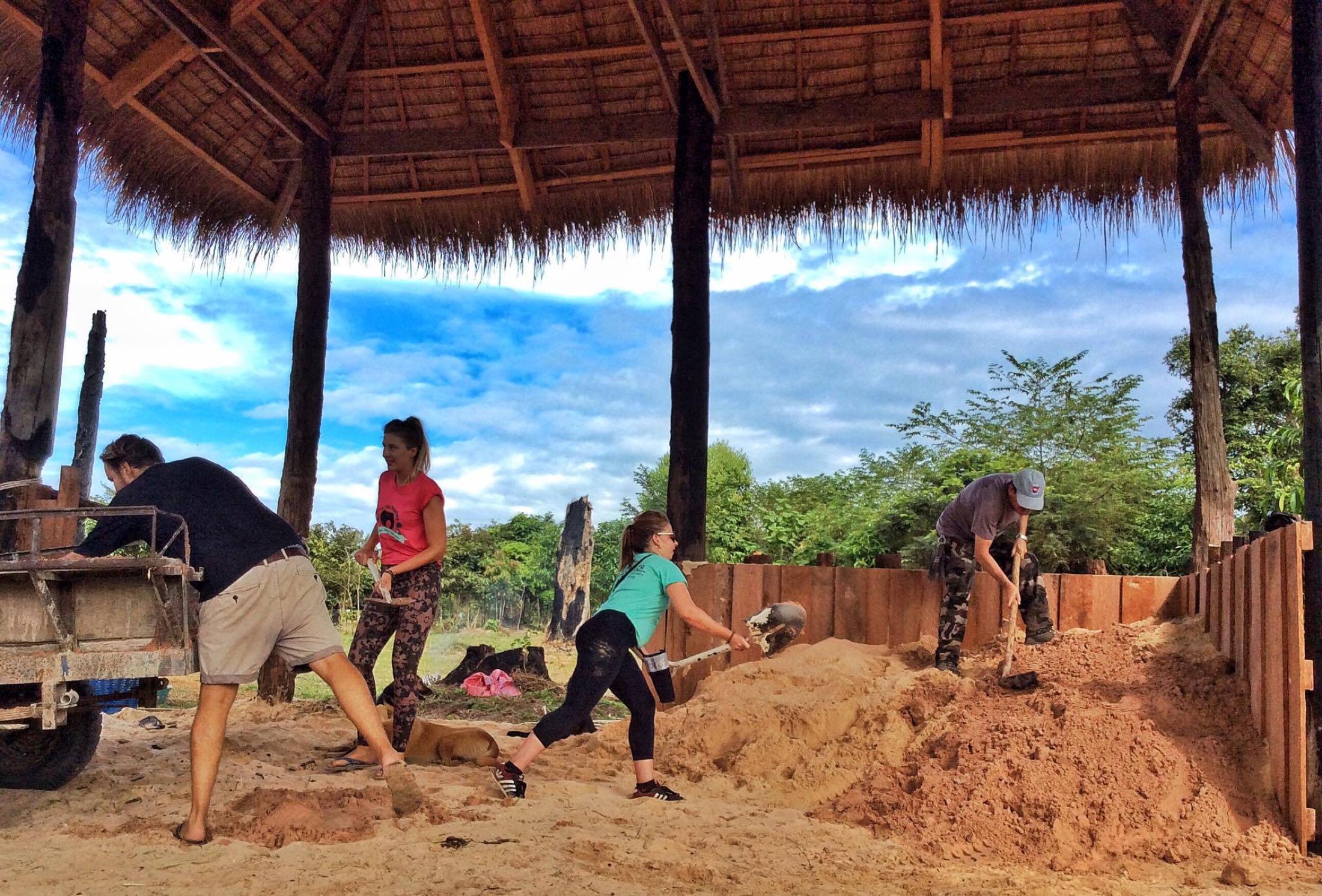
Animal Welfare & Conservation
Phetchaburi, Thailand
Support a southern-Thailand refuge for domesticated elephants rescued from street work, logging and exploitation.
Explore Thai Elephant Sanctuary →